

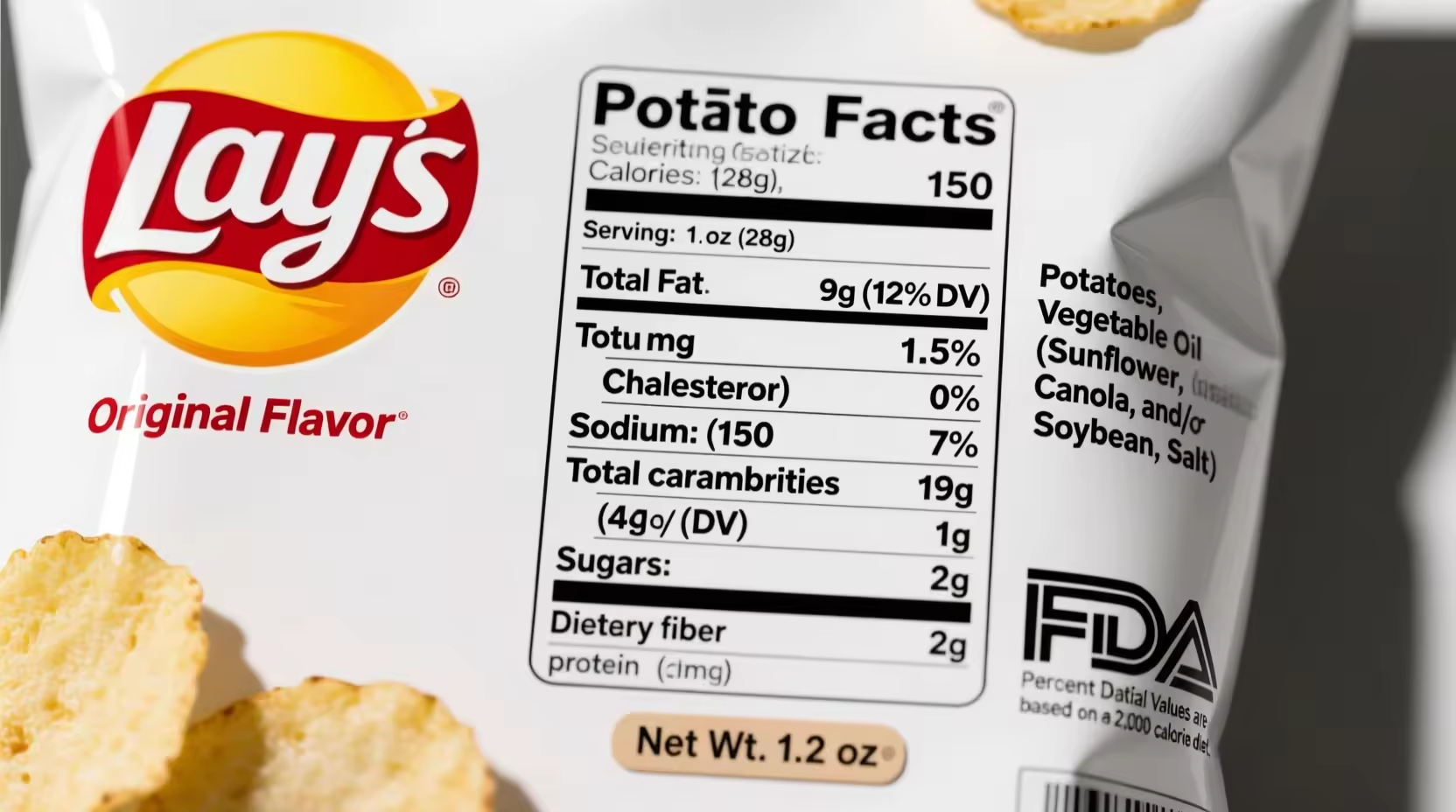

Shopping for groceries can be confusing with countless brands and marketing claims like “natural,” “low-fat,” or “keto.” Dr Saurabh Sethi, a gastroenterologist trained at AIIMS, Harvard, and Stanford, shared practical tips on Instagram for reading food labels, focusing on blood sugar and metabolic health.
Key Takeaways from Dr Sethi:
- Start with the ingredient list – Ignore marketing claims on the front of the package. Only the ingredient list reveals how the food affects your health.
- First three ingredients matter most – Ingredients are listed by weight. If sugar, refined starch, or refined oils are among the first three, the product may spike blood sugar.
- Be cautious with ‘low-fat’ or ‘fat-free’ foods – These often replace fat with sugar or starch, causing worse glucose spikes.
- Short ingredient lists usually win – Recognizable, simple ingredients indicate less-processed food and steadier blood sugar.
- Watch for hidden sugars – Sugar can appear under many names, such as cane sugar, dextrose, corn syrup, rice syrup, fruit juice concentrate, or maltodextrin.
- Opt for high fibre – Fibre slows digestion, reducing blood sugar spikes. Net carbohydrates = total carbs minus fibre.
- Balance macronutrients – Foods with carbs, protein, fibre, and fat together result in steadier glucose levels compared to carbs alone.
Bottom line: The best packaged foods have a short, recognizable ingredients list, use whole foods as the base, contain minimal added sugars, and include a balance of protein, fibre, and fat.