

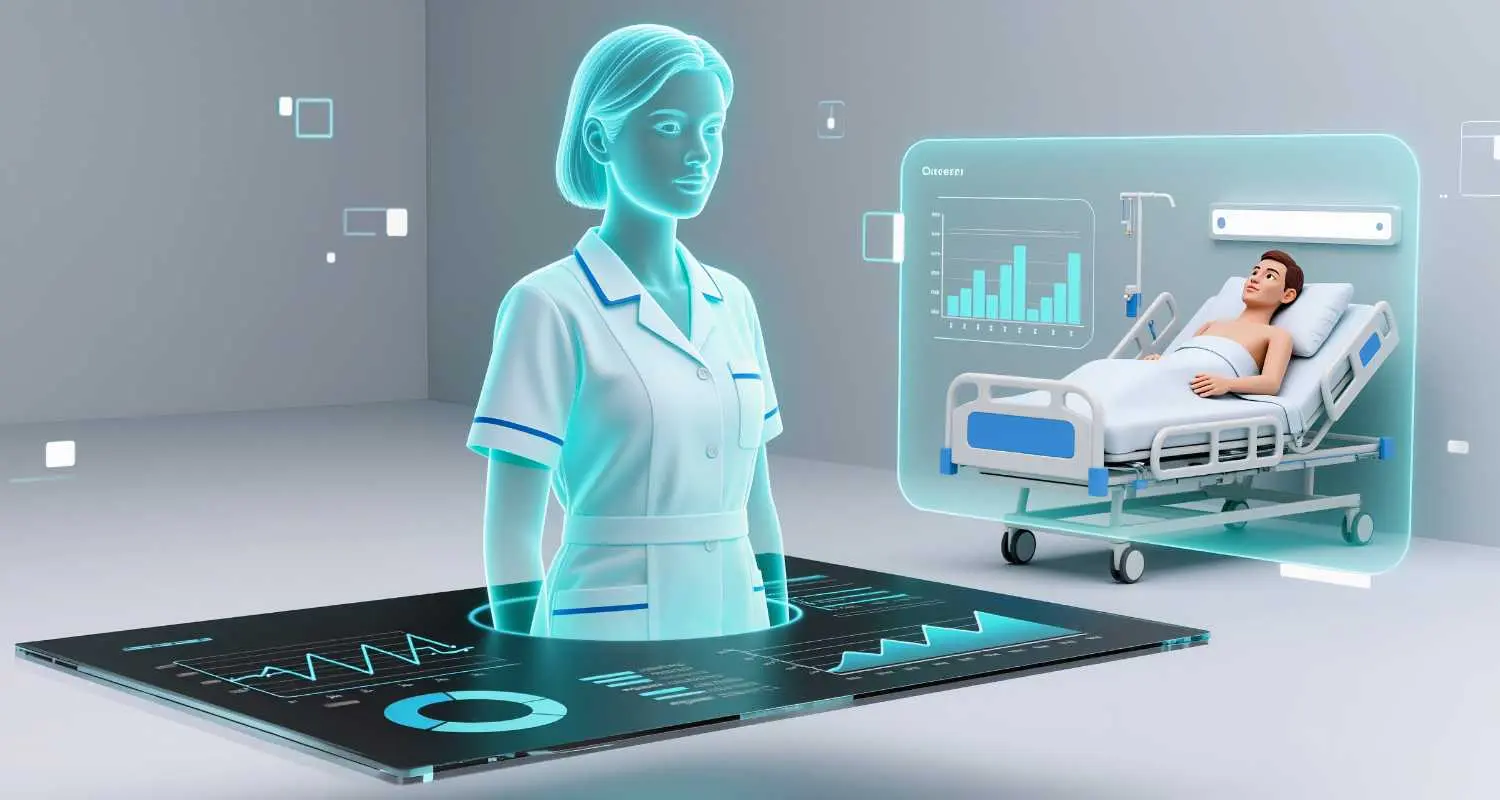

India is preparing for a major transformation in its public health surveillance system—moving away from conventional, reactive “detective-style” disease tracking to an advanced, predictive model powered by Artificial Intelligence (AI), real-time analytics, and digital intelligence tools.
According to senior officials, this transition aims to identify early warning signals before an outbreak takes shape, significantly improving the speed of response, quality of decision-making, and effectiveness of containment strategies. The initiative forms a core part of India’s emerging pandemic-preparedness framework.
AI-Powered Media Monitoring: 300 Million Articles Analysed Since 2022
A key pillar of this upgraded surveillance approach is the Media Scanning and Verification Cell (MSVC), which now uses an AI-driven system to scan millions of news reports daily across 13 Indian languages.
The system extracts structured information—such as disease type, location, scale and potential outbreak indicators.
Since its deployment in 2022, the AI engine has analysed over 300 million articles and identified more than 95,000 unique health events.
This marks a 150% improvement over manual detection, while cutting the workload of surveillance teams by 98%, officials said.
“Health Sentinel”: India’s Digital Disease Watchdog
Dr Himanshu Chauhan, Additional Director at the National Centre for Disease Control (NCDC) and head of the Integrated Disease Surveillance Programme (IDSP), said the advancements build on the strong performance of AI-enabled tools already functioning on the Integrated Health Information Platform (IHIP).
At the centre of this capability is “Health Sentinel”, a digital disease watchdog that flags unusual surges in infections—including dengue, chikungunya and other vector-borne diseases.
Each alert is reviewed by experts before being sent for field verification.
The upcoming predictive surveillance framework will expand this system by integrating more datasets and algorithmic forecasting—helping authorities spot trends even before the first clinical case emerges.
Real-Time Alerts: Chhindwara AES Case Shows System’s Effectiveness
Dr Chauhan highlighted the successful role of the newly established Metropolitan Surveillance Units (MSUs) under the PM-Ayushman Bharat Health Infrastructure Mission (PM-ABHIM).
He cited a recent example involving suspected paediatric Acute Encephalitis Syndrome (AES) cases in Chhindwara, Madhya Pradesh.
Here, the MSU Nagpur raised an early alert, prompting:
- speedy coordination between state authorities and the Central Surveillance Unit
- deployment of the National Joint Outbreak Response Team (NJORT)
- support from ICMR, NIE, and CDSCO for rapid field assessment
According to NCDC Director Prof (Dr) Ranjan Das, the incident demonstrates how India’s surveillance ecosystem is evolving to detect atypical clinical patterns swiftly, even in layered and urban environments.
“It highlights the collaborative surveillance model that IDSP and NCDC are strengthening,” he said.
A Fully Integrated, Predictive Health Defence System
Experts say the new predictive model will merge AI-based event detection with:
- laboratory data
- climate trend analysis
- population mobility patterns
- digital diagnostic results
This integrated network is expected to transform public health management by enabling authorities to:
- Detect warning signals before symptoms surface
- Mobilise emergency teams and medical resources rapidly
- Strengthen district-level response planning
- Prevent major outbreaks through advanced forecasting
Dr Das stressed that this shift aligns with India’s vision of a future-ready public health system capable of confronting infectious diseases, climate-linked risks, and emerging threats with precision.
With AI-driven monitoring now merging with rapid-response systems, India is entering a new era of anticipatory, intelligent, and predictive disease surveillance.
“The shift from reactive to anticipatory surveillance is now underway—data-driven, intelligent and predictive,” Dr Das said.