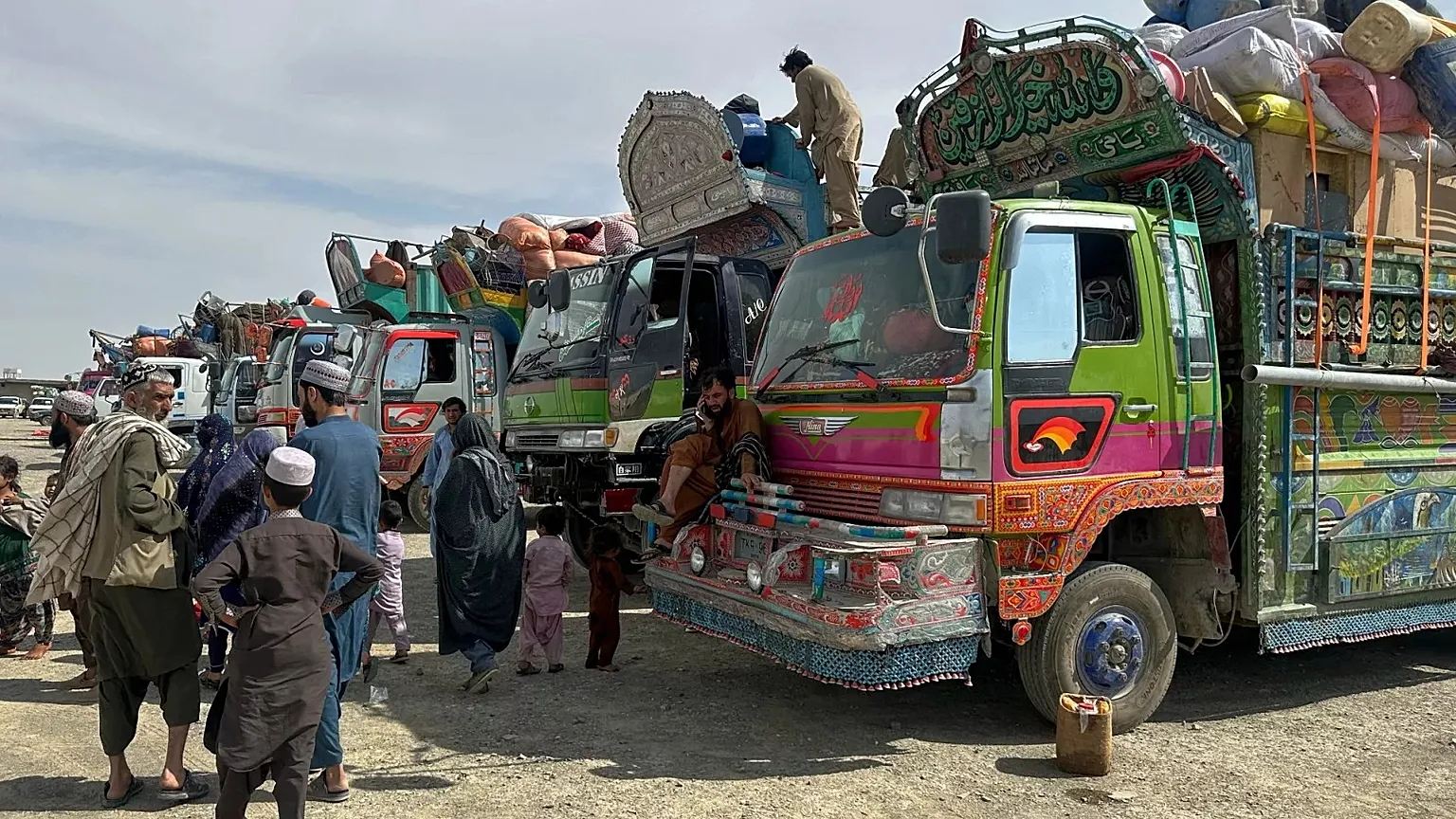
The United Nations refugee organization (UNHCR) says that a huge number of Afghan refugees are coming back from Pakistan. In August, the number of returns was 254% more than in July. This dramatic spike comes after the Proof of Registration (PoR) card grace period ended on August 31, which took away protections for millions of Afghans.
As of September 4, a UNHCR situation assessment said that more than 531,700 Afghans have come back from Pakistan. Most of them—about 145,200 people—made the trip in August alone, and 55,000 of them came back in just the last four days of the month. A UNHCR spokeswoman said that the number of PoR card holders among returnees has also gone up a lot. In August, they made up 54% of all returns, up from just 6% in April.
The big rise happens at the same time as the third phase of Pakistan’s “Illegal Foreigners Repatriation Plan” (IFRP), which is now going after PoR card holders. More than 57,000 Afghans have been arrested and held since April, even those who had legal papers.
Afghan migrants and community leaders in Pakistan have said that there has been a big increase in forced deportations and that there have been reports of harassment and extortion. Local news reports say that many people having PoR cards were mistreated and humiliated, which made them leave the country in misery.
The UNHCR and other humanitarian groups in Afghanistan are having a hard time dealing with the large number of Afghans who are coming back, many of whom have no belongings, savings, or a place to live. The UN has kept giving money to PoR card holders and their families, as well as basic medical and housing help. A recent terrible earthquake that killed thousands in Afghanistan, many of them were newly returned refugees, has made things even worse.
The forced returns have been criticized around the world. UN experts have told Pakistan to stop deporting people because the country is breaking international human rights and refugee legislation. But the government of Pakistan has said that it still has the authority to decide who can stay, saying that security is a problem and that violent incidents are on the rise.
Afghan Migrants Leave Pakistan After PoR Cards Grace Period Ends