

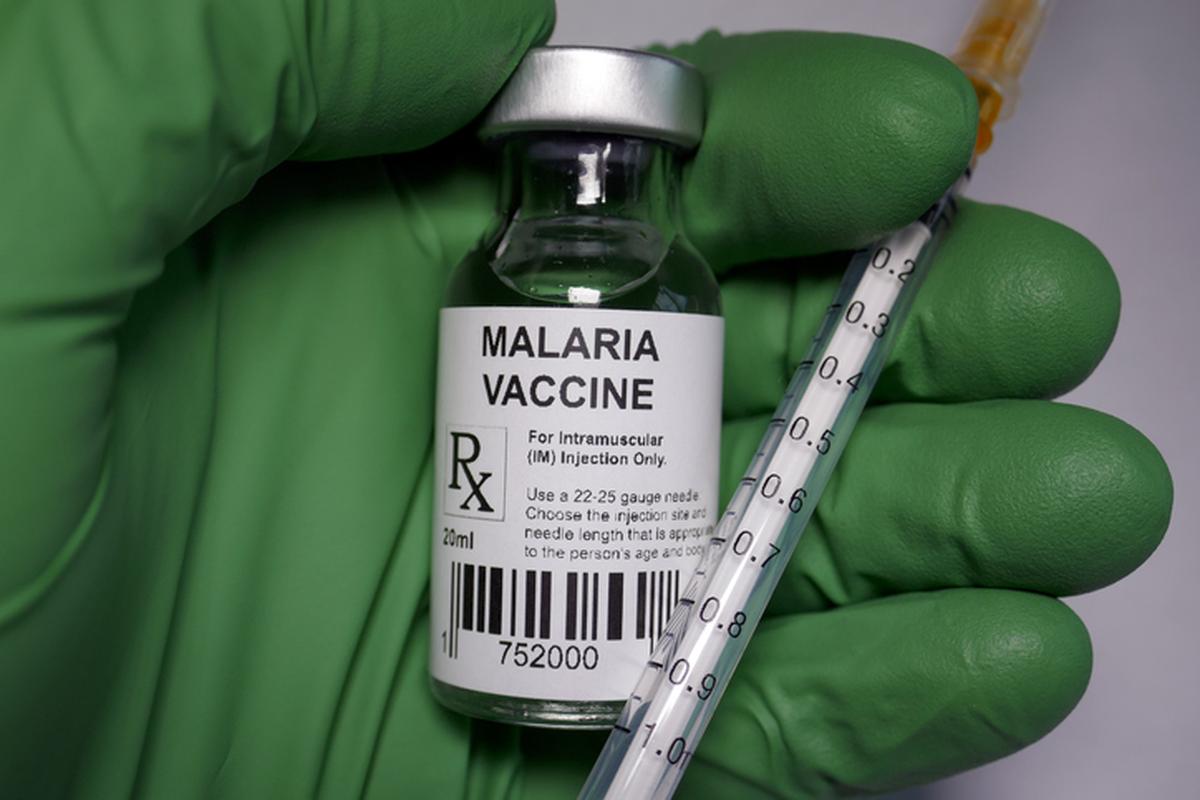

New Delhi: The Indian Council of Medical Research (ICMR) has started the process of transferring technology for its own anti-malaria vaccine candidate, AdFalciVax. This recombinant chimeric multi-stage vaccine was made in collaboration with the Department of Biotechnology. It is designed to precisely target Plasmodium falciparum, the parasite that causes the most severe and frequently deadly forms of malaria. The ICMR is looking for business partners, but the vaccine is expected to be ready for broad use in about six to seven years.
According to a timeline that Hindustan Times has, the development of AdFalciVax will happen in stages as follows:
Good Manufacturing Practice (GMP) research on production and toxicology: About two years.
Phase 1 clinical trial (including getting permission from the government): two more years.
Phase 2b and Phase 3 clinical trials take about two and a half years.
After the study, it takes around six months to get regulatory approval and a license to market.
There is a buffer interval of six months before and after each stage.
AdFalciVax: A Multi-Step Plan to Fight Malaria
ICMR-Regional Medical Research Centre, Bhubaneswar (ICMR-RMRCBB) worked with ICMR-National Institute of Malaria Research (ICMR-NIMR) and National Institute of Immunology (NII), New Delhi, to create AdFalciVax, the first indigenous recombinant chimeric malaria vaccine that targets two important stages of Plasmodium falciparum. Early results show that it might be able to stop P. falciparum infections in people and lower the spread of the disease in communities.
The ICMR said that the vaccine candidate is still in the early stages of research and development and is not yet ready for clinical usage or sale. However, preclinical evidence has showed “excellent efficacy” and offers numerous potential advantages over existing single-stage vaccines like RTS,S/AS01 (Mosquirix) and R21/Matrix-M:
Wider protection: By attacking two weak stages of the parasite, it hopes to provide better immunity.
Less chance of immune evasion: The multi-stage strategy might make it harder for the parasite to get around the immunological response caused by the vaccination.
Possibility of stronger immunity over time.
Long-lasting thermal stability: Functionality lasts for more than nine months at room temperature, which is important for shipping to different regions.
Cost-effective formulation: It uses carriers that are safe for use in medicine, which could cut production costs.
The ICMR plans to give licenses for the AdFalciVax technology to businesses, organizations, and manufacturers that meet certain criteria. The goal of this method is to reach more people and get the most health advantages for the public. ICMR will help with the technical side of things during the development process, and licensees will have to pay a 2% royalty on net sales.
The global burden of malaria is very high.
The call for new malaria vaccines comes at a time when global health is still a problem. In 2023, there were about 263 million cases of malaria in 83 countries where it is common, which is 11 million more instances than in 2022, according to government data. India had half of all the anticipated malaria cases in the South-East Asia region in 2023. This shows how important it is to take action right away.
Existing malaria vaccines like RTS,S and R21/Matrix-M have showed promise in lowering the number of cases, especially in young children, but the global burden is still quite high. The ICMR thinks that a better vaccine with better effectiveness is necessary to reach the goal of getting rid of malaria. The goal is to protect people from being infected and stop the disease from spreading to mosquitoes. AdFalciVax’s proposed amalgamation of Pre-erythrocytic/Anti-Infection Vaccines (AIV) with Transmission-blocking Vaccines (TBV) is anticipated to exhibit superior efficacy compared to AIVs in isolation.