

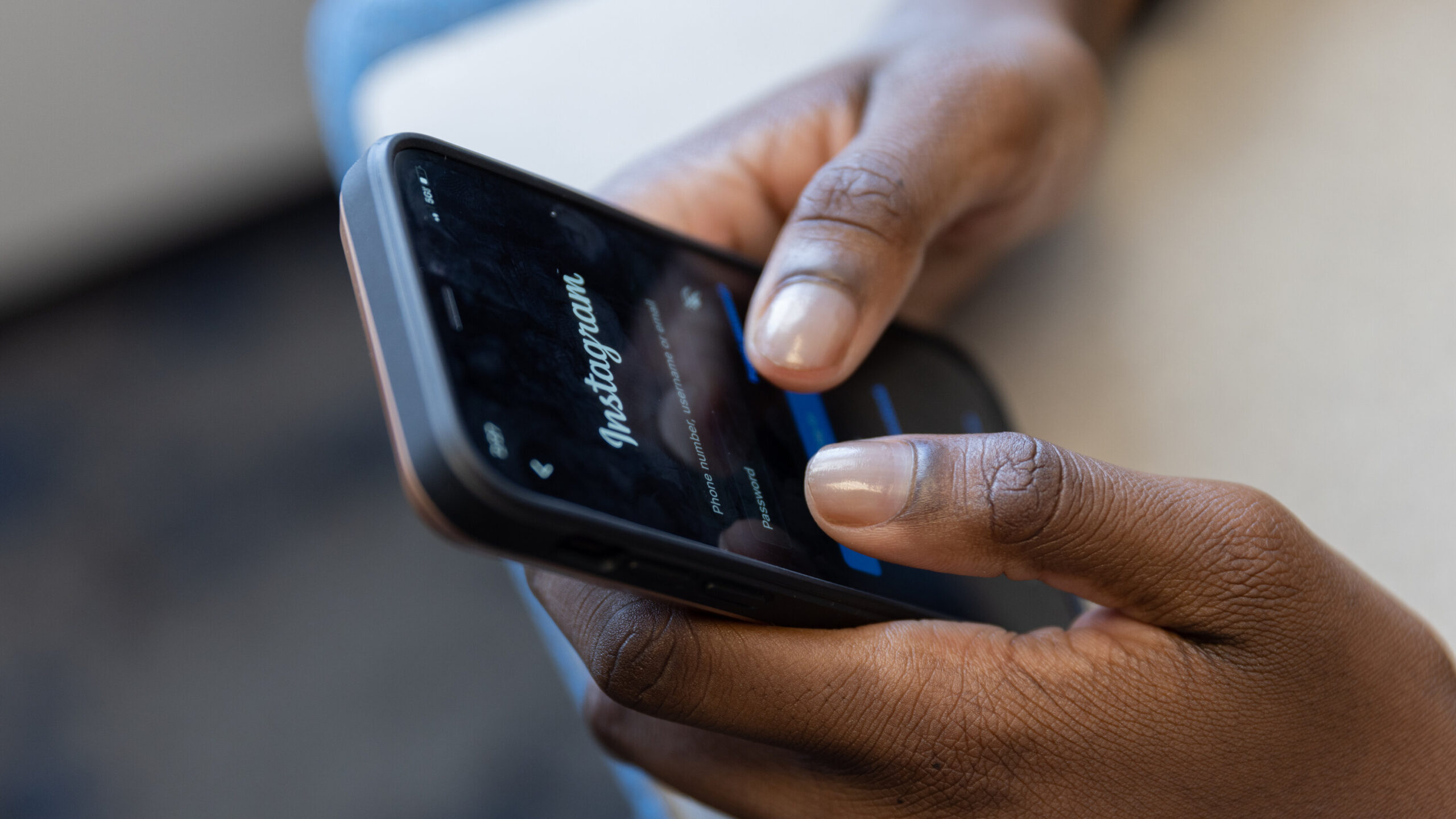

A new study has found that even a short break from social media can significantly improve young adults’ mental health. The research, published in JAMA Network Open, analysed 295 participants aged 18 to 24 who agreed to reduce their social media use to just 30 minutes per day for one week.
Participants originally averaged nearly two hours of daily social media use. After seven days of cutting that time down to 30 minutes, they completed mental health surveys that revealed notable improvements:
- Anxiety symptoms dropped by 16.1%
- Depression decreased by 24.8%
- Insomnia symptoms reduced by 14.5%
The strongest improvements were observed among participants who had more severe depression at the beginning of the study. However, the researchers reported no significant change in loneliness levels.
Dr John Torous of Harvard Medical School, a co-author of the study, told The New York Times that while cutting down on social media use can help, it should not replace professional mental health treatment. He noted that results varied widely, with some participants benefiting more than others. Since this was not a randomised trial, experts caution that expectations may have influenced outcomes.
Despite these limitations, psychologists say the findings offer valuable insights. Mitch Prinstein of the American Psychological Association said social media breaks are a simple, cost-free strategy for young people to experiment with improving their mental well-being. However, previous research on “digital detoxes” has shown mixed results, and more studies are needed to determine whether such benefits are long-lasting.