

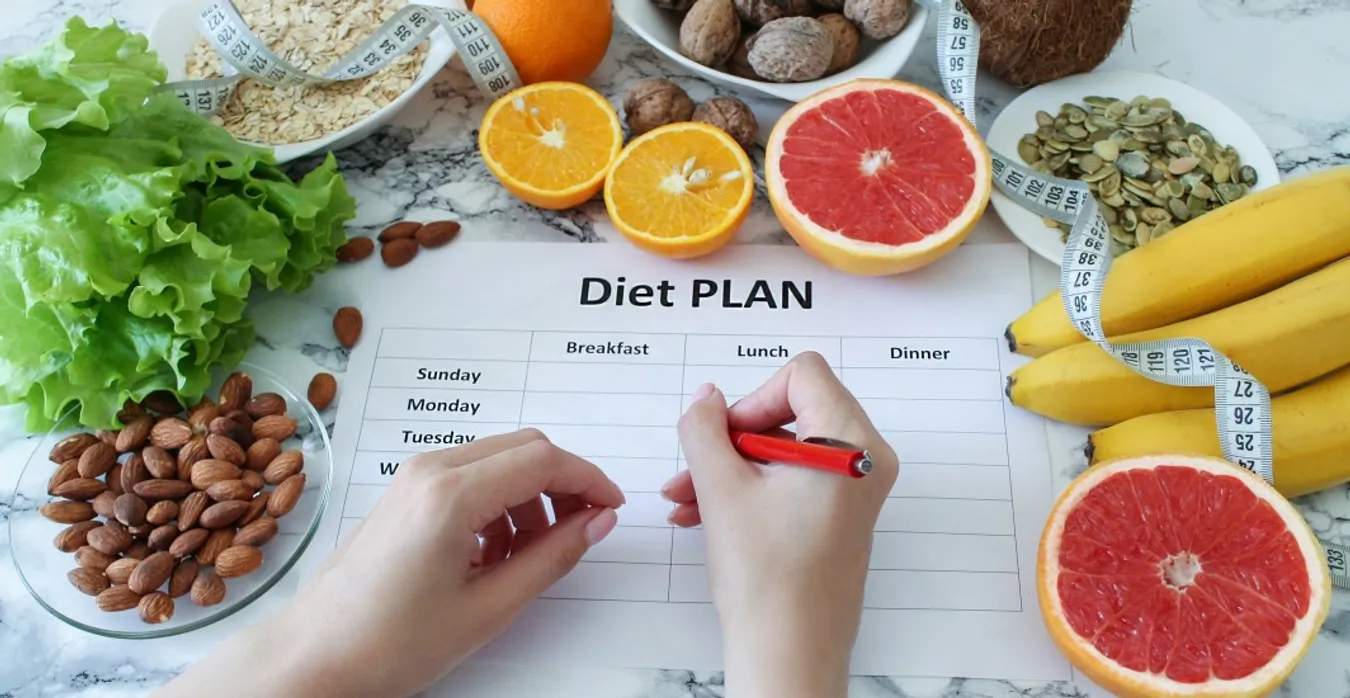

India is facing a rapidly growing obesity issue, which is causing a worrying rise in non-communicable diseases like type-2 diabetes and heart disease at younger and younger ages. Experts and national nutrition standards are now stressing the importance of making long-term, sustainable changes to your lifestyle, such as eating a balanced diet and getting regular exercise.
Studies that use evidence and meta-analyses show that a whole-food, plant-based (vegetarian) diet can be very helpful for losing weight and improving heart and metabolic health. This kind of diet focuses on whole grains, fruits, vegetables, and legumes while limiting ultra-processed foods. This method, together with controlling portions and cutting back on refined carbs and fats in the diet, can lead to steady but small weight loss.
The best and healthiest way to lose weight is to do it slowly, losing 0.5 to 1 kg per week. This helps keep muscle mass and avoids the health problems that come with losing weight too quickly, like vitamin deficits, electrolyte imbalances, and gallstones.
A Vegetarian Diet Plan for Beginners
Here is a vegetarian diet plan for busy Indian grownups who want to lose weight slowly and keep it off. It is easy to follow and can be taken with you. This strategy gives you about 1400 to 1600 calories a day, but people who are really active should talk to a professional about how to increase their calorie intake.
Daily Rules:
Meal Plan: Try to eat three balanced meals and one or two small snacks each day.
Make Protein a Priority: Make sure that every meal has a source of protein, including dals, paneer, low-fat milk, curd, or sprouted beans.
Choose Whole Grains: For rotis and other meals, choose whole grains like millets, brown rice, or whole wheat instead of refined white rice or maida.
Moderate Fats: Try to keep visible fats like ghee and oil to a minimum, with 1–2 teaspoons per person every meal.
Healthy Swaps: Stay away from snacks that are deep-fried and drinks that are high in sugar. Choose fresh fruit, roasted chana, unsalted almonds, or buttermilk instead.
Drink 2 to 3 liters of water per day. If you are active or live in a hot area, drink more.
Add Movement: Walking for 20 to 30 minutes per day or doing short workouts is important for keeping your muscles while shedding fat.
A Busy Weekday’s Sample Daily Schedule When You Wake Up A glass of warm water with lemon, then 6 to 8 soaked almonds or a small banana.
Breakfast (within 60 to 90 minutes):
Option A: One bowl of low-fat curd and mint chutney with two tiny besan or vegetable chillas.
Option B: A medium bowl of upma with veggies and a cup of black or green tea (no sugar).
One apple or orange, or a small bowl of papaya with 6–8 roasted chana, is a good snack in the middle of the morning.
Lunch:
1–2 whole wheat rotis (or a small cup of cooked rice or millet).
A bowl of dal or a cup of chole, rajma, or soy curry.
One bowl of mixed veggie sabzi that was prepared with little oil.
A little cup of curd or buttermilk with a small bowl of salad.
A cup of green tea with a besan or ragi pancake or a small bowl of sprouts chaat with lemon and onions is a good evening snack.
Dinner (2–3 hours before bed):
1 or 2 rotis or a mixed grain dosa with veggie sambar.
OR one dish of salad and veggie khichdi.
Stay away from fried side dishes and rich gravies.
Batch Cooking: Hacks for Success During a Busy Week Make a lot of dals or grains on the weekend and divide them up into tiffins for the week.
Simple Choices: Use instant idli/dosa batter to make uttapams or steamed idlis that are quick and low in oil.
Smart Snacks: Keep sprouted moong or roasted chana at work so you can eat them when you’re hungry.
Quick Swaps: Instead of cooking one meal a day, have a big salad bowl with protein from paneer, boiled eggs, or sprouts.
In the end, diet is only one part of losing weight in a healthy way. A full strategy that includes regular exercise, enough sleep, and good stress management is needed. If you have health problems or are on medication, it is very important to talk to a doctor or a trained dietitian before starting any new organized eating plan.