

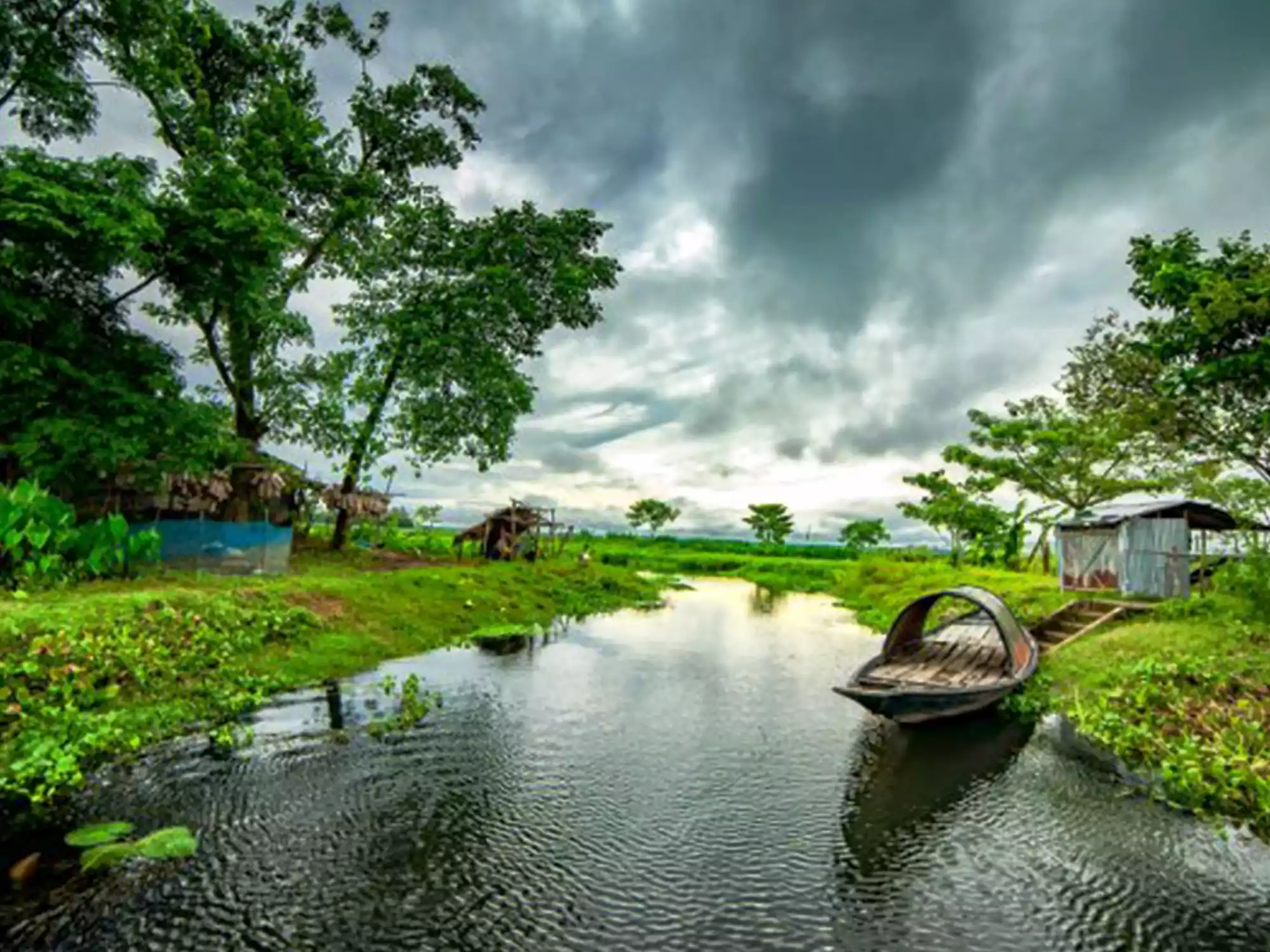

NEW DELHI: Heavy rains might cause problems like flooding and landslides, but real travelers know that traveling in India during the monsoon season is the most beautiful time to do so. A new type of travel called “native travel” is becoming more popular as the Western Ghats and the northeast regions come to life with lush green hills and rushing waterfalls. This method is all about reconnecting with your roots and getting to know the people, food, and culture of the country.
Smart planning is the key to getting the most out of these monsoon trips. Here are some important “travel hacks” to make sure your trip is safe, enjoyable, and stress-free.
- Pack smart: include waterproof gear and other important things.
The most important thing to remember when traveling during the monsoon is to remain dry. Bring clothes that dry quickly, like polyester or nylon. Always have a clothesline with you to dry your things, and don’t forget to bring additional socks and underwear. A strong umbrella, a raincoat, and a hair dryer can be quite useful. Choose shoes that won’t slip and have high traction, or wear gum boots or rubber sandals to stay safe in rainy weather. - Put health and safety first
During the monsoon season, there are more mosquitoes, which makes diseases like malaria and dengue more likely. You have to have mosquito nets and repellents. Be careful of snakes and scorpions since they can try to get to higher ground. Always have a full first-aid kit with bandages, antiseptic cream, and basic medicines for colds, fevers, and stomach problems. When hiking, wearing protective clothes and using salt can help keep leeches from biting you. To avoid becoming sick from water, only drink boiled or bottled water and stay away from street food. - Use technology and be flexible to plan ahead.
It’s important to plan ahead because bad weather and accidents might mess up vacation plans. Buy travel insurance to protect yourself from anything that could happen that you didn’t expect. Google Maps is helpful, but you should always download maps for when you can’t get a signal, as in rural or wet locations. You can keep up with the weather by checking your phone, smartwatch, or local news. Always have a list of emergency contacts on hand and a variety of payment methods, such as cash, UPI, and cards, because digital payments may not always be available. - Keep your gadgets safe
Gadgets are a must-have in today’s age of technology. Keep your phone, camera, laptop, and chargers in waterproof cases and dry bags to keep them safe from water damage. You need a reliable power bank for emergencies and power outages, which happen a lot after heavy rain. - Enjoy the local experience
“Native travel” is about more than just sightseeing; it’s about connecting with the heart of a country. To talk to people and show respect for their culture and traditions, learn a few words and phrases in their language. Taking public transportation in the area not only saves money, but it also gives you a real experience. And, of course, don’t pass up the chance to eat the local food, since food is frequently a means to learn about a culture. With these basic but useful tips, you may comfortably experience India’s stunning splendor during the monsoon season, turning what could be a tough vacation into an unforgettable and immersing adventure.