

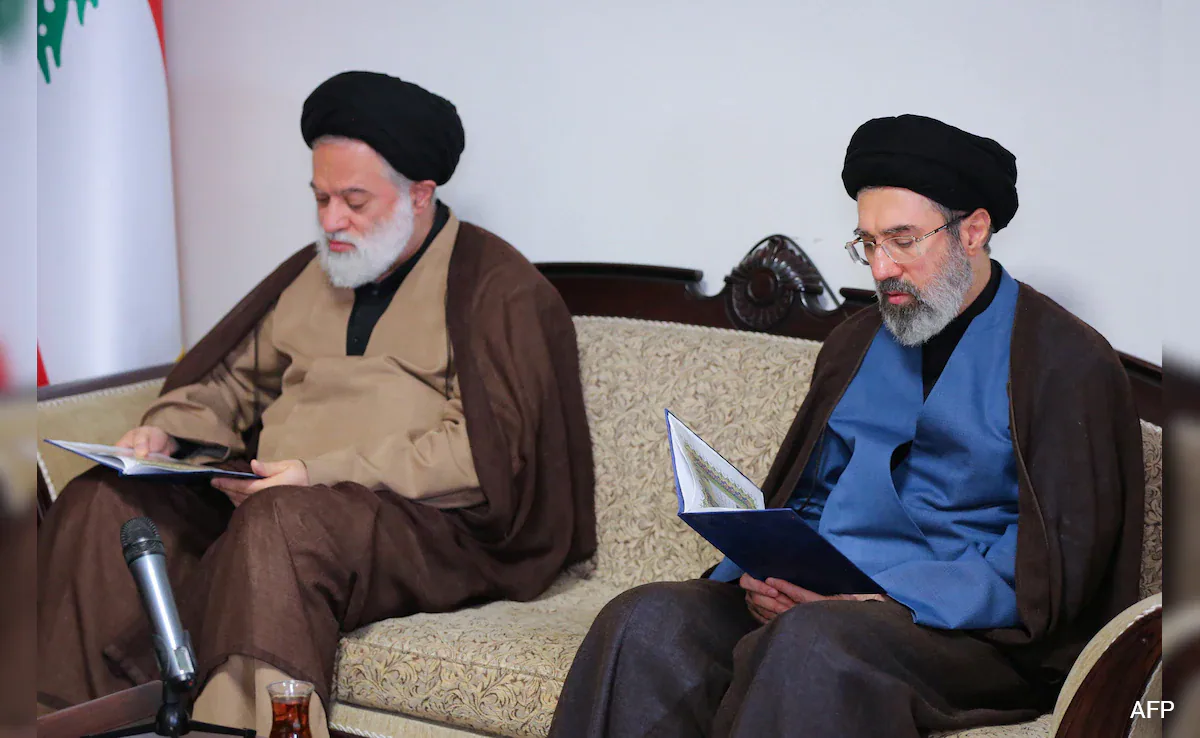

In a swift and defiant move following the assassination of Ayatollah Ali Khamenei, the Iranian leadership has officially appointed his son, Mojtaba Khamenei, as the third Supreme Leader of the Islamic Republic. The announcement, made on Monday, March 9, 2026, signals a “new phase” of militarized clerical rule, as Tehran chooses systemic survival over the possibility of reform during its most vulnerable hour.
A Message to Washington and Tel Aviv
The appointment serves as a direct rebuttal to U.S. President Donald Trump, who had recently dismissed the younger Khamenei as a “lightweight” and demanded a say in Iran’s succession process. By installing Mojtaba just one week after the death of his father, the regime is communicating several key points:
- No Power Vacuum: Tehran is asserting that the Islamic Republic remains structurally intact despite ongoing military strikes.
- Sovereignty over “Surrender”: The move rejects the “unconditional surrender” rhetoric coming from Washington, framing the leadership choice as an internal sovereign matter.
- Hardline Continuity: Mojtaba’s deep-rooted ties to the security apparatus and the Revolutionary Guards (IRGC) suggest that the “Axis of Resistance” will remain the cornerstone of Iranian foreign policy.
The “Militarized Cleric”: Why Mojtaba?
Unlike his predecessors, Mojtaba Khamenei is viewed as a bridge between the theocracy and the military-industrial complex of the IRGC.
- Systemic Survival: The regime has prioritized internal stability. By choosing a vetted, familiar figure, they aim to present a front of total domestic control.
- IRGC Alliance: The Revolutionary Guards have pledged to be the “powerful arm” of the new leader, cementing a symbiotic relationship between religious authority and military might.
- Nationalist Pivot: By framing the current conflict as an existential threat to Persian identity rather than just the clerical regime, Tehran has successfully co-opted nationalist sentiment to fuel collective defiance.
Regional Implications: A “Hardened” Iran
Experts suggest that a “pummeled” Iran is becoming more dangerous rather than timid. With Mojtaba at the helm, the Financial Times reports that there is no immediate inclination for an “off-ramp” or compromise. This suggests:
- Long-term Struggle: Readiness for a protracted conflict with Israel and the U.S.
- Proxy Support: Continued or intensified support for regional allies despite the existential threats at home.
- Internal Crackdown: A closed door on any externally mandated transition of power or domestic reform movements.