

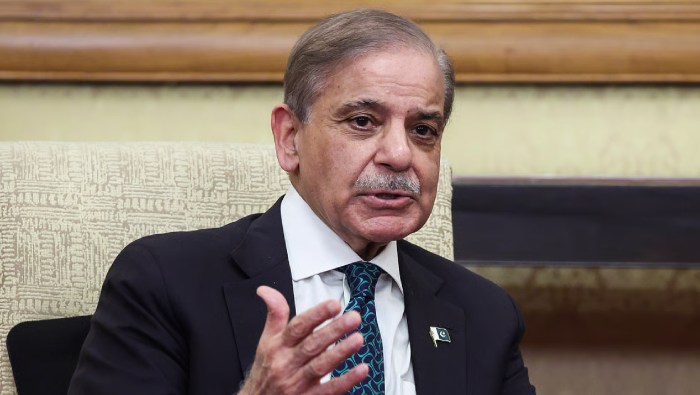

ISLAMABAD — The diplomatic relationship between Islamabad and Kabul has effectively collapsed following a night of heavy artillery and airstrikes. Prime Minister Shehbaz Sharif’s “big warning” signals that Pakistan has moved beyond border skirmishes to a proactive military stance, citing the need to defend national sovereignty against “unprovoked” Afghan incursions.
1. Operation ‘Ghazab lil Haq’
The Pakistani military launched this operation late Thursday night and early Friday morning in direct response to what it termed an “insurrection” by Afghan forces along the Durand Line.
- Body Count: Pakistan claims to have killed over 130 Taliban fighters in precision strikes targeting Kabul, Kandahar, and Paktia.
- Targets: Military officials state that the strikes dismantled several insurgent command centers and “militant hideouts.”
- The Kabul Footage: Dramatic videos have emerged showing plumes of smoke and fire rising over the Afghan capital, marking one of the few times Pakistan has conducted airstrikes so deep within Afghan territory.
2. The Cycle of Retaliation
The current “open war” is the result of a week-long escalatory spiral:
- The Sunday Strike: Pakistan initially struck Nangarhar on February 22, claiming to kill 70 militants.
- The Afghan Counter: Kabul rejected the militant claim, alleging Pakistan hit a madrassa and civilian homes. In retaliation, Afghan forces launched a ground assault on Thursday, claiming to have captured several Pakistani border posts—a claim Islamabad has officially dismissed as “fake news.”
- Violation of Sovereignty: Afghanistan has formally condemned the use of its airspace, while Pakistan maintains that Kabul is harboring “terrorist elements” responsible for attacks on Pakistani soil.
3. Geopolitical Implications
The conflict has shattered the fragile peace mediated by Qatar last year. With PM Sharif rallying the nation, the conflict is no longer a localized border dispute but a significant regional crisis involving the use of advanced airpower and heavy weaponry.
War Dashboard: Status Report (Feb 27, 2026)
| Metric | Details |
| Operation Name | ‘Ghazab lil Haq’ |
| Primary Targets | Kabul, Kandahar, Paktia, Nangarhar |
| Casualties (Claimed) | 130+ Taliban Fighters (Pak claim); 55 Pak Soldiers (Afghan claim) |
| Civilian Impact | Reports of madrassas and homes hit in Nangarhar/Paktika |
| Key Leaders | PM Shehbaz Sharif (PAK); Zabihullah Mujahid (AFG) |