

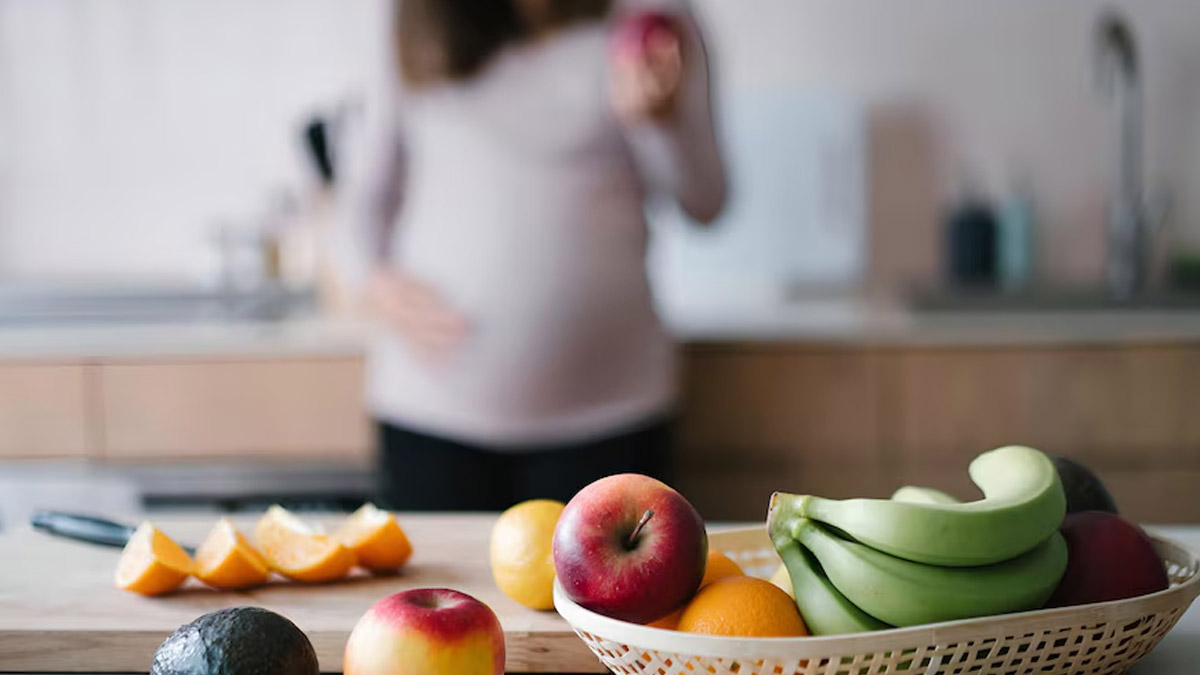

Morning sickness and nausea are among the most common symptoms experienced during early pregnancy. While many women expect some discomfort, the sudden aversion to once-favourite foods can be surprising and frustrating.
Nutritionist Lovneet Batra recently addressed this in an Instagram post, explaining that the shift is rooted in biology, not personal preference. “Morning sickness can suddenly make your favourite foods feel intolerable,” she wrote, adding, “It’s not you — it’s physiology.”
According to Batra, hormonal changes in early pregnancy slow down digestion, heighten sensitivity to smells, and make the stomach more reactive. This combination can trigger nausea, acid reflux, and a general feeling of queasiness — even at unexpected times of the day.
To help manage symptoms, she recommends making mindful food swaps and focusing on meals that are easier on the digestive system.
Why Morning Sickness Happens
During early pregnancy, rising hormone levels — particularly progesterone — relax smooth muscles in the body, including those in the digestive tract. This slows gastric emptying and can increase acid reflux. At the same time, heightened smell sensitivity can make certain foods overwhelming, even if they were previously well-tolerated.
As a result, foods that are heavy, spicy, greasy, or strongly scented can worsen nausea.
Foods That May Worsen Morning Sickness
Lovneet Batra highlights several types of foods that tend to irritate the stomach or prolong digestion, increasing the likelihood of nausea:
1. Spicy or Strong-Flavoured Foods
Items such as heavily spiced dishes or fried wings can irritate the stomach lining and trigger nausea.
2. Fried, Greasy, High-Fat Foods
Foods like French fries and other deep-fried snacks slow digestion and gastric emptying. High-fat meals can also relax the lower oesophageal sphincter, allowing stomach acid to rise into the food pipe — worsening heartburn and queasiness.
3. Coffee and Strong Caffeinated Beverages
Caffeine, combined with a strong aroma, can stimulate acid production and aggravate reflux, leading to increased nausea.
4. Heavy, Large Meals
Overeating or consuming large portions can overload digestion, making nausea more likely.
Foods That Are Usually Better Tolerated
Batra suggests choosing mild, low-fat, easy-to-digest foods that soothe the stomach rather than strain it.
1. Ginger
Ginger is widely known for its anti-nausea properties. It may help improve gastric motility and ease queasiness. Ginger tea, grated ginger in warm water, or small amounts added to meals can be helpful.
2. Dry, Bland Carbohydrates
Simple foods like crackers or toast can absorb excess stomach acid and are gentle on digestion, making them a go-to remedy for many pregnant women.
3. Bananas
Soft, easy to digest, and gentle on the gut, bananas are often well tolerated and can provide quick energy.
4. Apples
As a non-citrus fruit, apples are less likely to irritate the stomach. They are light, relatively low in fibre compared to some other fruits, and may help reduce acid reflux symptoms.
5. Boiled or Mashed Potatoes
Plain potatoes are bland and calming for the stomach, making them a safe option during bouts of nausea.
What Actually Matters During This Phase
Lovneet Batra emphasises that early pregnancy is not the time to obsess over “perfect” nutrition. Instead, the priority should be:
- Staying hydrated
- Eating small, frequent meals
- Choosing foods that feel manageable
- Listening to your body
“The goal isn’t perfect nutrition. It’s comfort, hydration, small frequent meals, and foods you can tolerate,” she explains. “Eat what feels manageable. Nourishment looks different right now.”
Morning sickness can be physically and emotionally challenging, but understanding the physiological reasons behind it — and adjusting dietary habits accordingly — can make the experience more manageable.
Disclaimer
This content, including the advice shared, provides general information only. It is not a substitute for professional medical consultation. Always seek guidance from a qualified healthcare provider for personalised advice during pregnancy.