

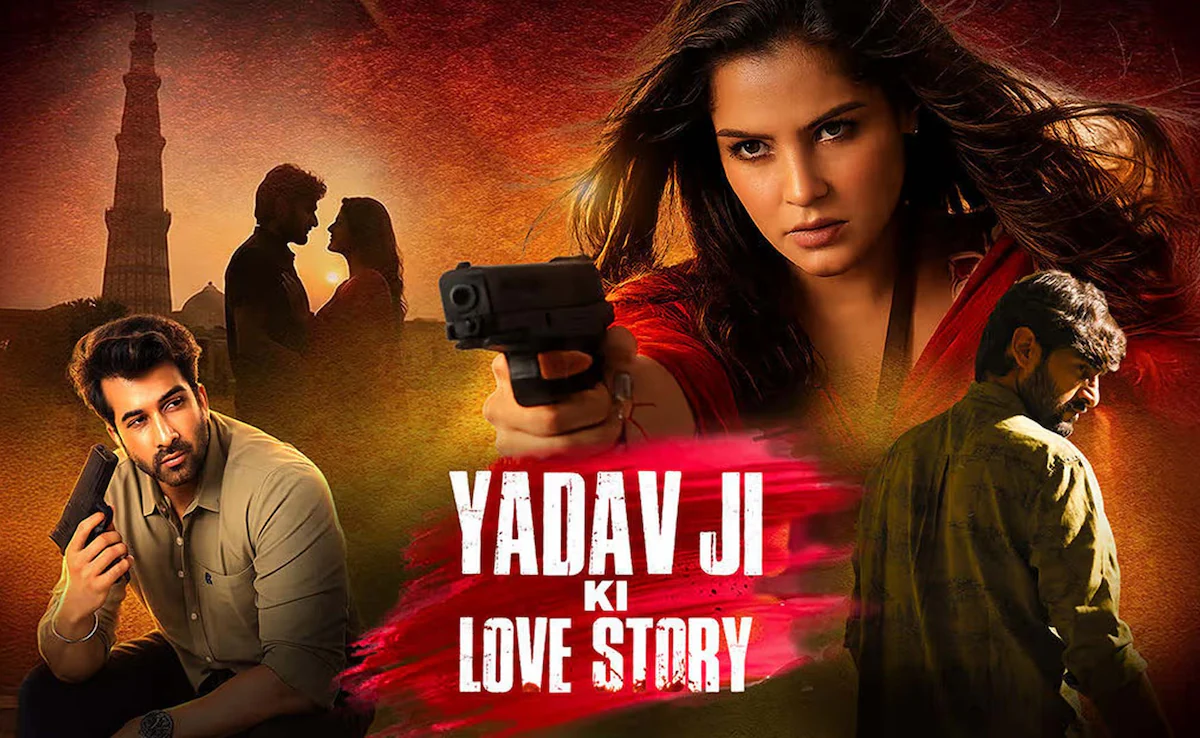

The Supreme Court of India today, Wednesday, February 25, 2026, dismissed a petition seeking a ban on the upcoming film Yadav Ji Ki Love Story. A bench comprising Justices BV Nagarathna and Ujjal Bhuyan ruled that the title does not portray the Yadav community in a “bad light,” clearing the way for its theatrical release this Friday.
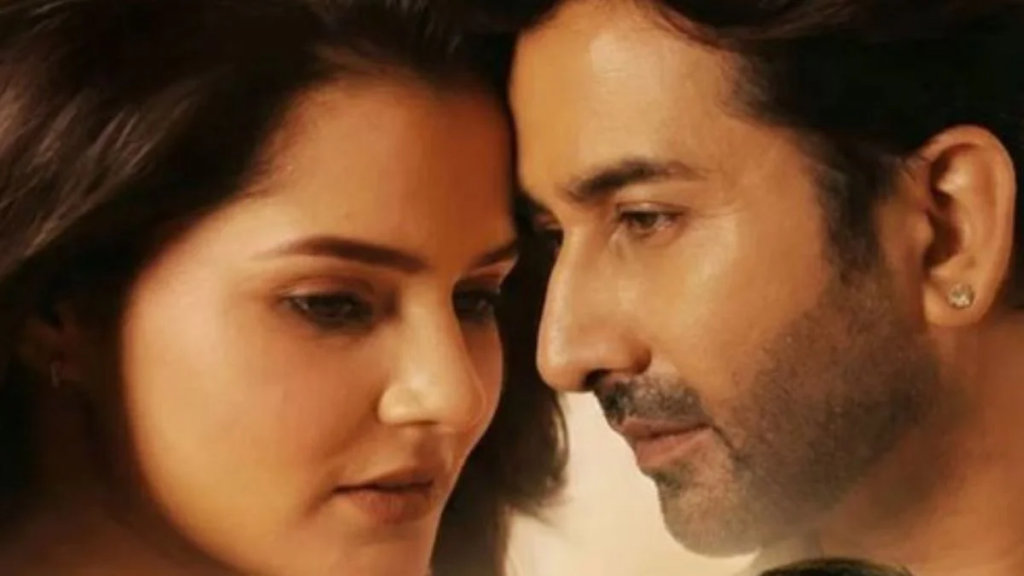
The petition was filed by the chief of the Vishwa Yadav Parishad, who alleged that the title created an offensive stereotype and that the film’s depiction of a woman from the community was “unacceptable.”
The Verdict: No Negative Connotation
In a significant observation on creative freedom, Justice Nagarathna noted that the title itself lacks any derogatory adjectives.
“We fail to understand how the title of a film can reflect a community in bad light. The title nowhere has any adjective or any word that portrays the Yadav community negatively,” the court observed.
The bench distinguished this case from the recent “Ghooskhor Pandat” controversy, where it had ordered a title change:
- Ghooskhor Pandat: The term “Ghooskhor” (corrupt) attached a direct negative meaning to a community.
- Yadav Ji Ki Love Story: The title is descriptive and neutral, attaching no negativity to the caste.
About the Film: ‘Simple’ vs. Tradition
Directed by Ankit Bhadana, the film is a romantic social drama set against the rustic backdrop of North India.
| Category | Details |
| Release Date | February 27, 2026 |
| Lead Cast | Pragati Tiwari (as Simple Yadav), Vishal Mohan (as Wasim Akhtar) |
| Supporting Cast | Suvinder Vicky, Ankit Bhadana, Mansi Rawat |
| Plot | A story of a young woman named Simple Yadav who faces social and political pressure while navigating a relationship with a man from a different religion (Wasim). |
Background of Protests
The film has faced significant opposition in parts of Uttar Pradesh. Last week, protesters in Sambhal burned posters of the film and filed an FIR against the director and cast under Section 353(2) of the BNS for “promoting enmity.” The petitioners argued that portraying a “love jihad” angle—where a Hindu girl marries a Muslim boy—targets the dignity of the community’s “sisters and daughters.”
Lead actress Pragati Tiwari defended the project, stating it is a “fictional romantic triangle” and that she intends no offense to any caste or religion.