

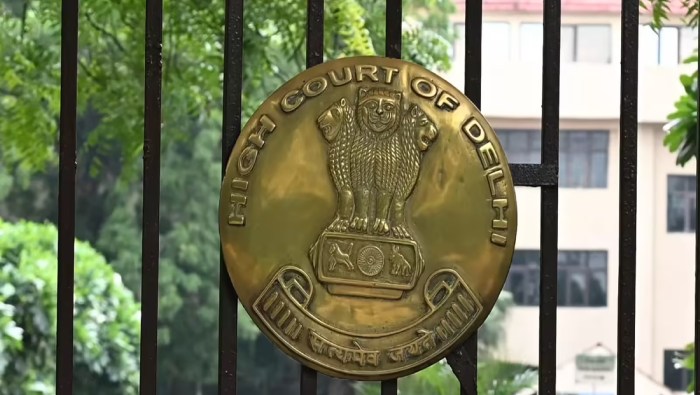

NEW DELHI — The Delhi High Court has sent a stern message regarding the misuse of traditional excuses to evade marriage commitments. In a ruling delivered on February 17, 2026, the court established that if a man uses a false assurance of marriage to induce a woman into a physical relationship, he cannot later use “non-matching horoscopes” as a legal shield to escape prosecution for rape.
1. The Legal Observation
Justice Swarana Kanta Sharma underlined that the genuineness of a promise is called into question when obstacles previously claimed to be “resolved” are suddenly resurrected to avoid marriage.
- The Deceit Factor: The court noted that if kundali matching were truly a deal-breaker, it should have been addressed at the “threshold”—before entering into a physical relationship.
- Section 69 of BNS: The court specifically invoked Section 69 of the Bharatiya Nyaya Sanhita (BNS), which deals with sexual intercourse obtained through “deceitful means” or a “promise to marry without intention of fulfilling the same.”
2. Case Background: “We are marrying tomorrow”
The ruling came during the bail hearing of a man accused under Section 376 of the IPC and Section 69 of the BNS.
- Long-term Assurance: The complainant alleged a long-term relationship based on repeated marriage promises.
- WhatsApp Evidence: Records showed the accused had messaged the woman saying their horoscopes matched and there were no obstacles. One chat reportedly read: “Kal hi shaadi kar rahe hain hum” (We are getting married tomorrow).
- The Turnaround: After the woman withdrew a previous complaint based on a renewed promise of marriage, the man again refused to marry, this time citing mismatched kundalis.
3. Why the Bail was Rejected
The court found the man’s conduct inconsistent and suspicious. Justice Sharma remarked:
“The subsequent refusal to marry on the ground of non-matching of kundalis, despite earlier assurances to the contrary, prima facie raises a question as to the nature and genuineness of the promise.”
By rejecting the bail, the court affirmed that consent obtained through such “false assurance” is not legally valid consent, thereby sustaining the rape charges at this stage of the proceedings.
Legal Comparison: Consent vs. False Promise
| Category | Legal Standing |
| Genuine Promise | If a couple separates due to unforeseen circumstances after a genuine intent to marry, it is not considered rape. |
| False Promise (Deceit) | If the intent to marry was never present or was used solely to obtain sexual favors, it is an offense under Section 69 BNS. |
| The “Kundali” Excuse | Ruled as a prima facie sign of deceit if the issue was previously claimed to be resolved. |