

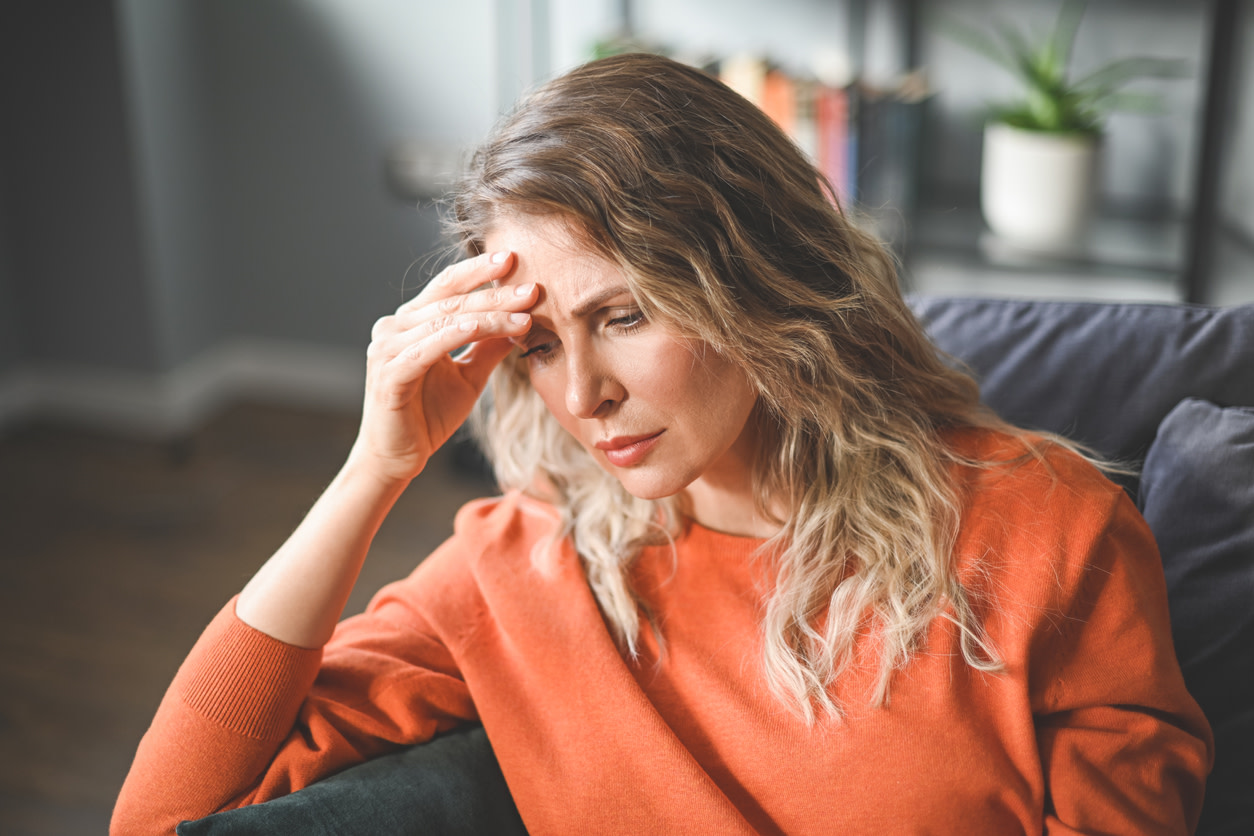

Migraines are far more complex than ordinary headaches and are strongly influenced by hormonal changes in the female body. For many women, migraines evolve across different life stages—from premenstrual phases to perimenopause and menopause—reflecting shifts in estrogen levels and hormonal stability.
Nutritionist Rashi Chowdhary advises women against relying on quick fixes like painkillers, herbal teas, or instant remedies that promise fast relief. In an Instagram video, she explains that nearly one in four women experience migraines primarily due to hormonal fluctuations, especially sudden drops in estrogen levels.
“When estrogen drops suddenly, the brain becomes irritated, which can trigger a migraine. These headaches are hormone-driven but appear differently at each life stage,” she said.
Common Types of Hormonal Migraines and How to Manage Them
1. Pre-Period (PMS) Migraines
Just before menstruation, estrogen levels drop sharply, which also reduces serotonin—the brain’s natural pain regulator. Without serotonin acting as a brake, nerve signals become more sensitive, triggering migraines even without other health issues.
To manage PMS migraines, Rashi suggests taking 400–600 mg of magnesium glycinate after ovulation to calm nerve activity. For women who experience constipation before periods, 400–600 mg of magnesium citrate may also help relieve both migraines and digestive issues.
2. Perimenopause Migraines
During perimenopause, estrogen levels are not necessarily low but highly unstable. This hormonal chaos affects mood, focus, calmness, and pain perception, while inflammation levels also rise. As a result, migraines can become more frequent, intense, and unpredictable.
Rashi explains that perimenopause migraines often occur on one side of the head. She recommends daily estrogen-regulating supplements such as 40–160 mg of black cohosh and 100–300 mg of CoQ10, but strongly warns that these should only be taken under medical supervision.
3. Menopause Migraines
In menopause, estrogen levels are low but stable. Some women may experience fewer migraines, while others may continue suffering due to oversensitive pain pathways developed after years of hormonal fluctuations. The brain may also become conditioned to migraine patterns over time.
Instead of depending on painkillers or herbal teas, Rashi suggests 150–300 mg of the Chinese herb Dong Quai, which may help reduce inflammation and lower migraine frequency. However, medical consultation remains essential.
Key Takeaway
“Migraines are your body’s reaction to hormonal shifts. Stability, not quick fixes, is the real solution,” Rashi concludes.
Disclaimer:
This content is for general informational purposes only and should not replace professional medical advice. Always consult a qualified healthcare provider before starting any supplements or treatment.