

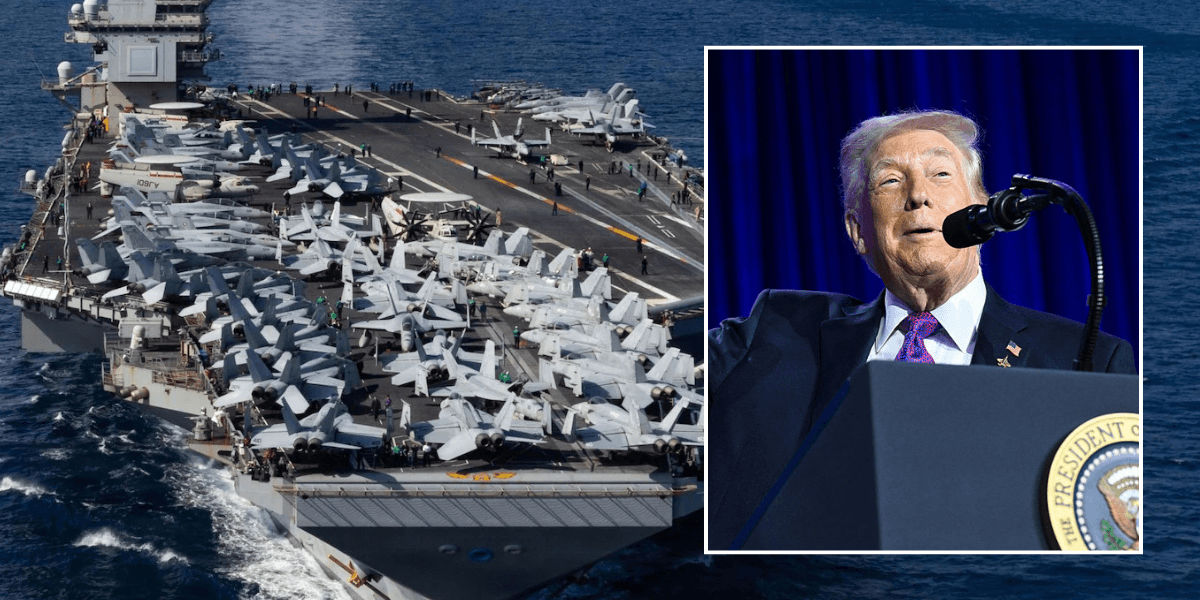

In a move signaling a major escalation in Middle East strategy, U.S. President Donald Trump and Israeli Prime Minister Benjamin Netanyahu have agreed to go “full force” on Iran, specifically targeting its oil exports to China. This development follows a high-stakes meeting on Wednesday, February 11, 2026, aimed at forcing Tehran into a nuclear deal that U.S. officials warn will be “very traumatic” if it fails.
The “Maximum Pressure” Pivot: Targeting Beijing
The core of the new strategy involves cutting off Iran’s financial lifeline to China, which currently purchases over 80% of Iran’s seaborne oil.
- Target: Reducing the estimated 1.38 million barrels per day that China imports from Iran.
- Mechanism: Leveraging a recent Executive Order that allows the U.S. to impose 25% tariffs on any country trading with Iran.
- Goal: Deprive the Iranian regime of its primary source of revenue to compel concessions on its nuclear and ballistic missile programs.
Military Escalation: The “Massive Armada”
To back these economic threats, President Trump confirmed on Friday, February 13, that the USS Gerald R. Ford, the world’s most advanced aircraft carrier, is being deployed from the Caribbean to the Middle East.
| Vessel | Current Location | Mission |
| USS Gerald R. Ford | En Route to Mideast | Redeployed after the capture of Nicolás Maduro in Venezuela to provide “firepower” for the Iran pressure campaign. |
| USS Abraham Lincoln | Arabian Sea | Leading current regional operations; recently intercepted an Iranian drone. |
| US Central Command | Persian Gulf | Preparing for the possibility of “sustained, weeks-long operations” if diplomacy fails. |
The “Geneva Summit” (February 17, 2026)
Despite the military buildup, a second round of indirect talks is scheduled for this Tuesday in Geneva.
- The Mediators: Oman continues to act as the primary intermediary.
- The Negotiators: Iranian Foreign Minister Abbas Araghchi will face a U.S. delegation including Steve Witkoff and Jared Kushner.
- The Red Line: The Trump administration demands zero enrichment; Tehran insists on maintaining peaceful nuclear rights.
Internal Unrest in Iran
Tehran faces these external pressures while reeling from a “bloody crackdown” on nationwide protests that began in late 2024. Trump has openly floated the idea of regime change, stating that a change in power would be “the best thing that could happen.”
Flashback: This cycle of tension follows Operation Midnight Hammer in June 2025, where U.S. and Israeli forces conducted a 12-day war, striking key nuclear sites in Fordow, Natanz, and Isfahan.