

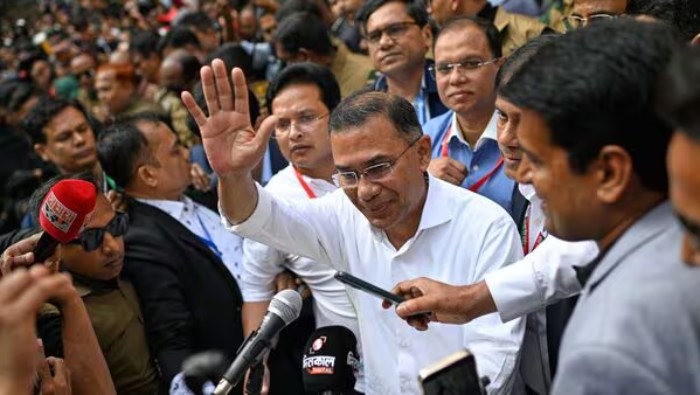

DHAKA/NEW DELHI — In a historic shift for South Asian geopolitics, the Bangladesh Nationalist Party (BNP), led by Tarique Rahman, has secured a decisive majority in the 13th National Parliamentary Elections held on Thursday, February 12, 2026.
Prime Minister Narendra Modi was among the first global leaders to congratulate Rahman on Friday morning, signaling New Delhi’s intent to reset relations with the new administration following the ouster of Sheikh Hasina last year.
1. Election Results: A Landslide Mandate
As of Friday morning, unofficial counts from the Election Commission and local media indicate a “sweeping” victory for the BNP and its allies.
- BNP Performance: The party and its partners are projected to win over 200 seats in the 300-member Jatiya Sangsad, comfortably crossing the two-thirds majority mark.
- Tarique Rahman’s Personal Win: The BNP Chairman won both seats he contested—Dhaka-17 and Bogura-6—securing a massive lead over his closest rivals from the Jamaat-led alliance.
- The Opposition: The 11-Party Alliance (led by Jamaat-e-Islami) is currently in second place, with projections placing them at approximately 60–70 seats.
- NCP Disappointment: The National Citizen Party (NCP), formed by student activists central to the 2024 uprising, saw a disappointing debut, winning only about 5–6 seats.
2. PM Modi’s Message: A “New Beginning”
PM Modi’s congratulatory post on X (formerly Twitter) emphasized stability and bilateral cooperation:
“I convey my warm congratulations to Mr. Tarique Rahman on leading BNP to a decisive victory… India will continue to stand in support of a democratic, progressive and inclusive Bangladesh. I look forward to working with you to strengthen our multifaceted relations.”
Analysts view this as a pragmatic pivot by New Delhi. After a decade of deep ties with the Awami League, India is now moving to establish a working relationship with the Zia dynasty heir to ensure regional security and protect minority interests.
3. The “July National Charter” Referendum
Alongside the parliamentary vote, Bangladeshis voted in a landmark referendum on the July National Charter.
- Approval Rating: Early trends show the charter passing with 72.9% approval.
- Key Changes: The charter proposes limiting Prime Ministers to two terms, establishing an Upper House of Parliament, and permanently restoring the Caretaker Government system for future elections.