

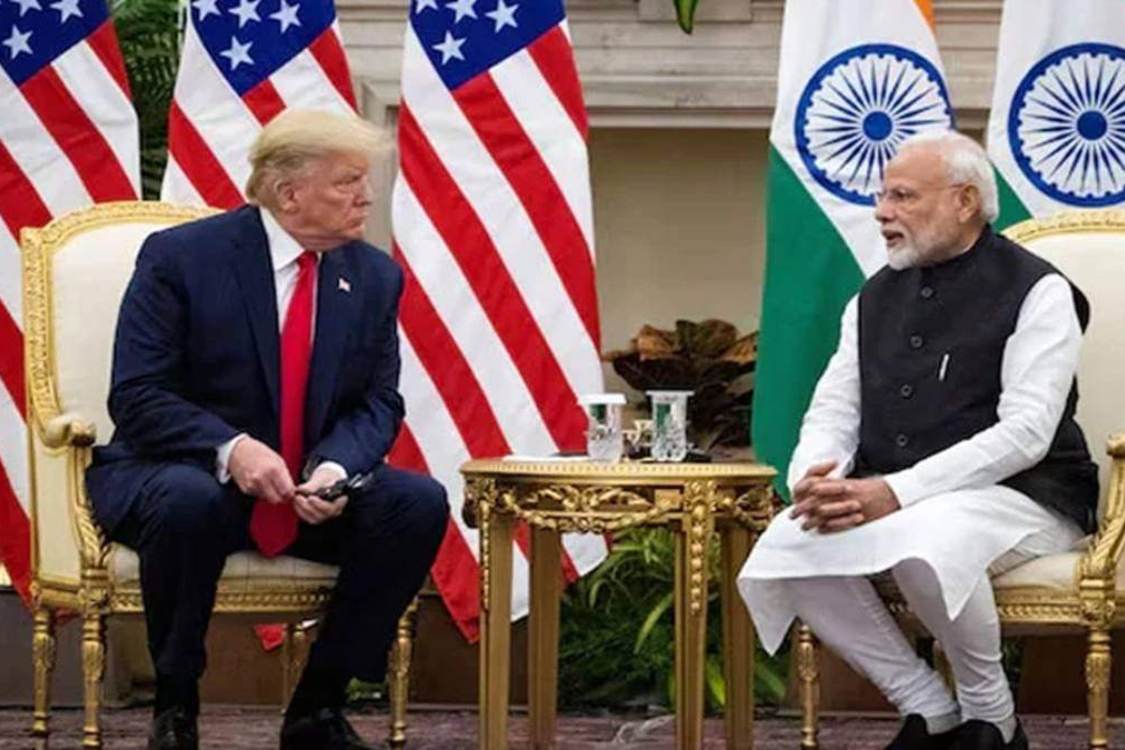

WASHINGTON, D.C. / NEW DELHI — Just 24 hours after releasing a detailed fact sheet on the “historic” interim trade deal between India and the United States, the White House has issued significant revisions to the document. The changes, made on Tuesday, February 10, 2026, appear to dial back several claims that had sparked immediate controversy and political scrutiny in India.
The revisions follow a stern clarification from Union Commerce Minister Piyush Goyal, who stated that the headline figures in the deal represented “commercial intent” rather than binding legal obligations.
1. Key Omissions: Pulses and Digital Taxes
The most striking changes involve the removal of specific sensitive sectors that are high-stakes for the Indian economy.
- The Pulses U-Turn: The original document listed “certain pulses” (lentils, chickpeas, etc.) as products for which India had agreed to reduce or eliminate tariffs. This was notably absent from the initial joint statement on February 6 and had drawn fire from Indian opposition leaders like Pawan Khera, who argued it would hurt domestic farmers. The revised fact sheet has completely scrubbed “certain pulses” from the list.
- Digital Services Tax (DST): The first version explicitly stated India would “remove its digital services taxes.” The revised text now only says India has “committed to negotiate” a set of bilateral digital trade rules. This shift preserves India’s “Equalization Levy” (often called the ‘Google Tax’) for the time being.
2. From “Commitment” to “Intention”
The White House has noticeably softened the language regarding India’s massive spending plans in the U.S.
| Original Text (Feb 9) | Revised Text (Feb 10) | Significance |
| “India committed to… purchase over $500 billion of U.S. energy…” | “India intends to… purchase over $500 billion of U.S. energy…” | Moves the figure from a binding quota to a market-driven projection. |
| “…and agricultural products…” | (Reference to agriculture in the $500bn total removed) | Aligns with India’s stance that the $500bn figure is mostly for energy and tech. |
3. Strategic Gains: GPUs and Technology
Despite the edits, the core of the “Technology Trade” remains intact, signaling a major win for India’s AI ambitions.
- GPU Access: Both versions confirm a significant increase in trade for Graphics Processing Units (GPUs) and data center equipment.
- Export Control Relief: Analysts note that India has successfully avoided “China-style” export controls, securing a “trusted partner” status that allows access to cutting-edge U.S. hardware to fuel its IndiaAI Mission.
4. Why the Revisions Matter
The “edit-history” of the White House document suggests a disconnect between the Trump Administration’s desire to project a massive “win” for American exporters and New Delhi’s need to protect its strategic autonomy and agricultural sector.
“We don’t have to [buy $500bn]. We intend to procure… trade decisions will remain driven by price and quality,” Minister Piyush Goyal clarified, effectively prompting the White House to align its public documentation with the actual negotiated framework.