

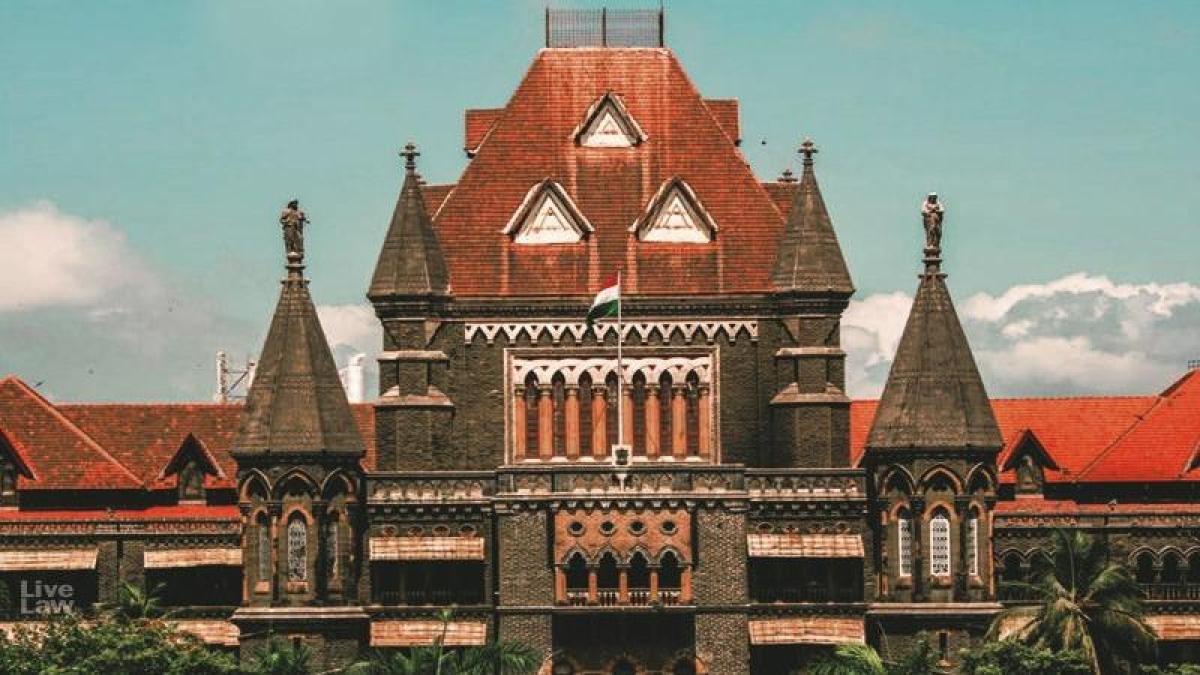

MUMBAI — In a significant ruling emphasizing the reformative goals of the Indian justice system, the Bombay High Court reduced the life sentence of a 28-year-old man convicted under the Protection of Children from Sexual Offences (POCSO) Act. The court cut the term to 12 years, citing the convict’s proactive engagement with literature and the teachings of Mahatma Gandhi during his nine-year incarceration.
The division bench, comprising Justices Sarang Kotwal and Sandesh Patil, held that while the gravity of the 2016 offense against a five-year-old girl was undeniable, the convict’s record of self-improvement indicated he was no longer a threat to society.
1. The “Gandhi Effect”: Evidence of Reformation
The defense, led by advocates O.P. Lalwani and Gypson John, presented three specific certificates earned by the accused while at Mumbai’s Central Prison. The court noted these as pivotal “mitigating factors”:
- Gandhian Studies: A certificate from Mumbai Sarvodaya Mandal for successfully passing an examination on the thoughts and life of Mahatma Gandhi.
- Literary Analysis: A certificate from Tilak Maharashtra Vidyapeeth (Pune) for a specialized program in book analysis.
- Creative Writing: Recognition from Ramchandra Pratishthan (Mumbai) for winning an essay-writing competition.
2. Key Legal Considerations for Leniency
The bench outlined several reasons why life imprisonment was deemed disproportionate in this specific instance:
- Age at Offense: The accused was 20 years old at the time of the crime (December 2016), an age where the court believes the potential for character molding is high.
- Clean Record: He had no criminal antecedents prior to the 2016 incident.
- Conduct in Custody: The convict has already served over nine years without being released on bail—even during the height of the COVID-19 pandemic.
- Judicial Balance: The court noted that a 12-year sentence still exceeds the mandatory minimum of 10 years, ensuring the gravity of the crime is respected while acknowledging the convict’s growth.
3. Case Background: The 2016 Incident
The case dates back to a Ghatkopar chawl, where the accused was a neighbor to the victim’s family.
- The Crime: He was convicted of aggravated sexual assault on a five-year-old girl.
- Trial Outcome: In 2020, a special POCSO court sentenced him to life imprisonment.
- HC Verdict: While the High Court upheld the conviction (finding the evidence against him conclusive), it chose to exercise judicial discretion regarding the length of the “life” term.
4. Summary of the Revised Sentence
| Detail | Trial Court Order (2020) | High Court Order (2026) |
| Conviction | Upheld (Aggravated Sexual Assault) | Upheld |
| Sentence | Life Imprisonment | 12 Years Rigorous Imprisonment |
| Key Reason | Nature of the Offense | Reformation & Gandhian Studies |
| Time Served | ~9 Years | ~9 Years (Eligible for release in ~3 years) |
“The twin objectives of sentencing are deterrence and correction. Cumulative factors, including his study of Gandhi’s thoughts, warrant leniency in the sentencing part.” — Justices Sarang Kotwal and Sandesh Patil.