

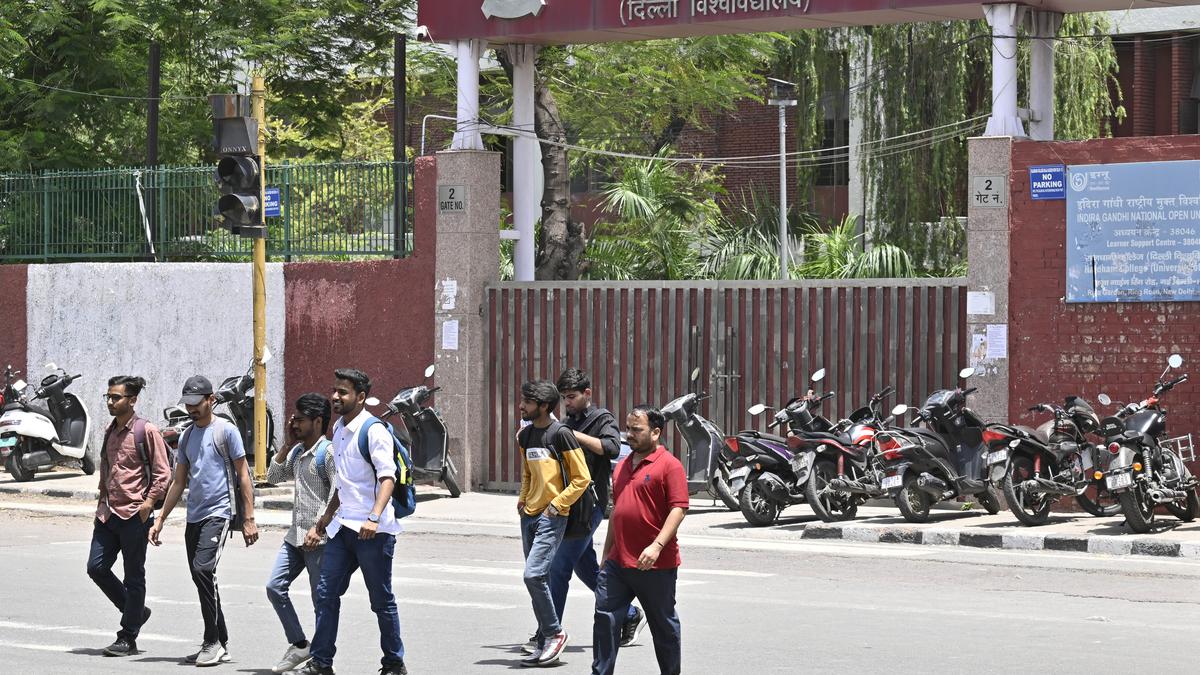

Delhi has been ranked the world’s most affordable city for international students, according to a new report jointly released by Knight Frank, Deloitte India and QS. The findings place the Indian capital at the top position globally, ahead of traditional education hubs across Europe, North America and Australia.
The report, titled “India’s 155 Million Student Mandate”, was released on Wednesday and draws on data from the QS Best Student Cities 2026 rankings, which evaluate the most attractive urban destinations for students worldwide.
While Delhi leads the affordability chart, Mumbai ranks 11th and Bengaluru 15th, underlining the growing appeal of Indian cities in global higher education.
How the Rankings Were Determined
The QS Best Student Cities 2026 rankings assessed 150 cities worldwide across six equally weighted categories:
- Affordability
- Employer activity
- University rankings
- City desirability
- Student voice
- Student mix
Among these parameters, affordability emerged as India’s strongest competitive advantage, the report said.
“Affordability remains one of the most decisive factors for international students and parents, and this is where Indian cities outperform almost every major global education hub,” the report noted.
Lower Costs, Strong Returns
According to the consultants, tuition fees, living expenses and purchasing power in Indian cities compare extremely favourably with the so-called “big four” study destinations — the United Kingdom, United States, Europe and Australia.
“For students, and thereby parents, this translates into a lower total cost of education without sacrificing quality, reduced dependence on long-term student debt, and a strong return on investment driven by employability outcomes,” the report said.
India Emerging as a Global Education Destination
The report also highlighted a shift in how global universities view India — not just as a source of students, but as a destination for long-term academic presence.
“India is home to the world’s largest 18-23 age cohort, with nearly 155 million young adults, and is transitioning from a traditional outbound student market to a core geography for offshore university campuses,” Knight Frank India said in a statement.
With supportive policy reforms, a massive demographic base and increasingly education-ready cities, India is poised to become one of the most strategically important destinations globally for higher education expansion, the report added.
Cities and Real Estate Key to University Expansion
Shishir Baijal, International Partner, Chairman and Managing Director of Knight Frank India, said that India’s higher education opportunity must be viewed through an urban and infrastructure lens.
“Policy enables entry, but it is spatial strategy that determines success,” Baijal said.
Global universities that adopt a city-led, phased real estate strategy will be best placed to establish a lasting academic presence in India, he added.