


The passing of Begum Khaleda Zia at the age of 80 marks the end of a political era in Bangladesh. Zia, the country’s first female Prime Minister and a towering figure who shaped its democratic journey, died in Dhaka on Tuesday after a prolonged illness.
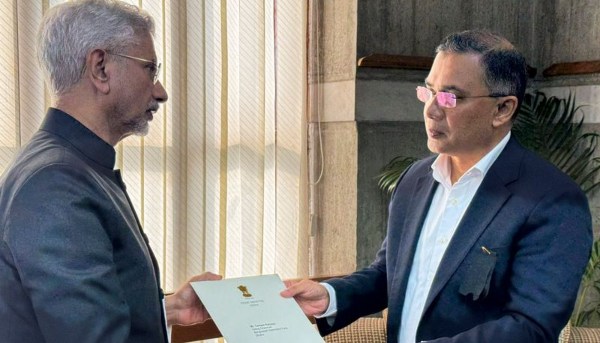
In a gesture seen by analysts as a significant “strategic outreach” to the potential future leadership of Bangladesh, PM Narendra Modi addressed a heartfelt letter to Zia’s son, Tarique Rahman. The letter was personally delivered by External Affairs Minister S. Jaishankar, who traveled to Dhaka on Wednesday to attend the state funeral.
A Leader of “Rare Resolve and Conviction”
In his letter, PM Modi hailed Khaleda Zia as a “leader of rare resolve and conviction,” recalling their meeting during his visit to Dhaka in June 2015.
- Legacy of Partnership: Modi credited Zia with making “important contributions to the development of Bangladesh” and acknowledged her role in “strengthening India-Bangladesh relations.”
- Confidence in Leadership: The PM expressed confidence that her ideals would be carried forward under Tarique Rahman’s leadership, stating that her vision would serve as a “guiding light to ensure a new beginning” for the bilateral partnership.
- National Solidarity: Modi extended his thoughts to the people of Bangladesh, praising their “remarkable strength and dignity” during this period of national mourning.
Diplomatic Significance: Jaishankar in Dhaka
Minister S. Jaishankar’s visit was the first by an Indian Foreign Minister to Dhaka since the ouster of Sheikh Hasina in August 2024. His presence at the funeral, where he stood alongside dignitaries from Pakistan, Nepal, Bhutan, and Sri Lanka, underscored India’s commitment to regional stability and “Neighbourhood First” diplomacy.
Key highlights from the visit:
- Bilateral Reset: Jaishankar and Tarique Rahman reportedly held a brief discussion on “shared interests driven by pragmatism and mutual interdependence.”
- Addressing Minority Safety: The visit took place amid strained ties following the recent killing of a Hindu man, Dipu Chandra Das, in Mymensingh. Jaishankar’s engagement suggests a push toward a relationship based on mutual trust and democratic transition.
- Historical Encounter: During the funeral, Jaishankar was seen exchanging pleasantries with Pakistan’s National Assembly Speaker, Sardar Ayaz Sadiq, a rare moment of civil engagement between the two nations.
Looking Toward February 2026
The diplomatic overture comes as Bangladesh prepares for national elections on February 12, 2026. With Tarique Rahman’s return from 17 years of exile on December 25, 2025, the BNP is widely viewed as the frontrunner. India’s proactive engagement with the BNP indicates a readiness to “script a new chapter” in ties, moving past the historical distrust that once characterized relations during the BNP’s previous tenure (2001–2006).