

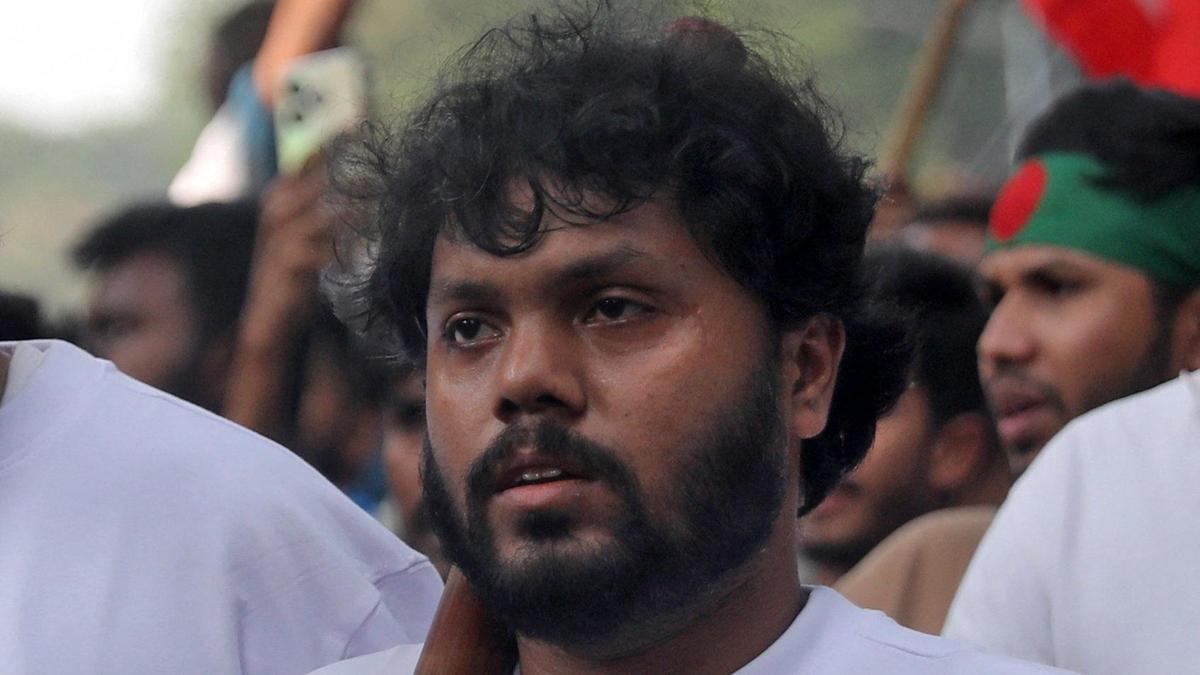

Dhaka: The political atmosphere in Bangladesh has intensified after slain radical leader Sharif Osman Hadi’s brother alleged that elements within the interim government plotted his assassination to disrupt the upcoming general election. His explosive accusation was followed by the sudden resignation of Md Khuda Baksh Chowdhury, Special Assistant to Chief Adviser Muhammad Yunus, deepening the controversy.
Speaking at a protest organized by Inqilab Mancha in Dhaka, Omar Hadi accused a section of the ruling interim setup of orchestrating the killing.
“It is you who got Osman Hadi killed, and now you are trying to foil the election by using this as an issue. Those in power when he was killed cannot escape responsibility,”
Omar declared, demanding the government reveal everyone involved in the assassination. He warned that those responsible would face the same fate as deposed Prime Minister Sheikh Hasina’s Awami League regime, which was ousted after last year’s student-led July Uprising.
Hours after the allegations, the Cabinet Division announced President-approved resignation of Khuda Baksh Chowdhury, a former police chief. The official statement confirmed his exit from the Ministry of Home Affairs advisory role.
Sharif Osman Hadi, known for his sharp criticism of India and the Awami League, had emerged as one of the influential figures of the July Uprising and later led Inqilab Mancha. He was contesting the upcoming parliamentary elections scheduled for February when he was shot in the head by masked gunmen on December 12 in Dhaka. He succumbed to injuries six days later at a hospital in Singapore.
Omar further alleged that an external agency or country might have influenced the assassination plot, claiming Hadi consistently pushed for elections to be held on time and stressed maintaining peace during the pre-poll phase.
In response, Inqilab Mancha has demanded the resignation of Home Adviser Lt Gen (Retd.) Jahangir Alam Chowdhury, Law Adviser Asif Nazrul, and Khuda Baksh Chowdhury, accusing them of failing to protect Hadi and holding them accountable for the killing.
The Law Adviser assured that the murder trial would be conducted under Bangladesh’s Speedy Trial Tribunal, ensuring proceedings are completed within 90 days.
Meanwhile, Hadi’s death triggered widespread unrest across Dhaka. Enraged mobs torched the offices of leading newspapers Prothom Alo and Daily Star, as well as cultural institutions Chhayanat and Udichi Shilpi Goshthi. In a shocking incident, a Hindu factory worker was lynched in Mymensingh amid escalating violence.
As Bangladesh heads towards a crucial election, the assassination controversy, political blame-game, and resignation within the interim government have deepened uncertainty over the nation’s political stability.