

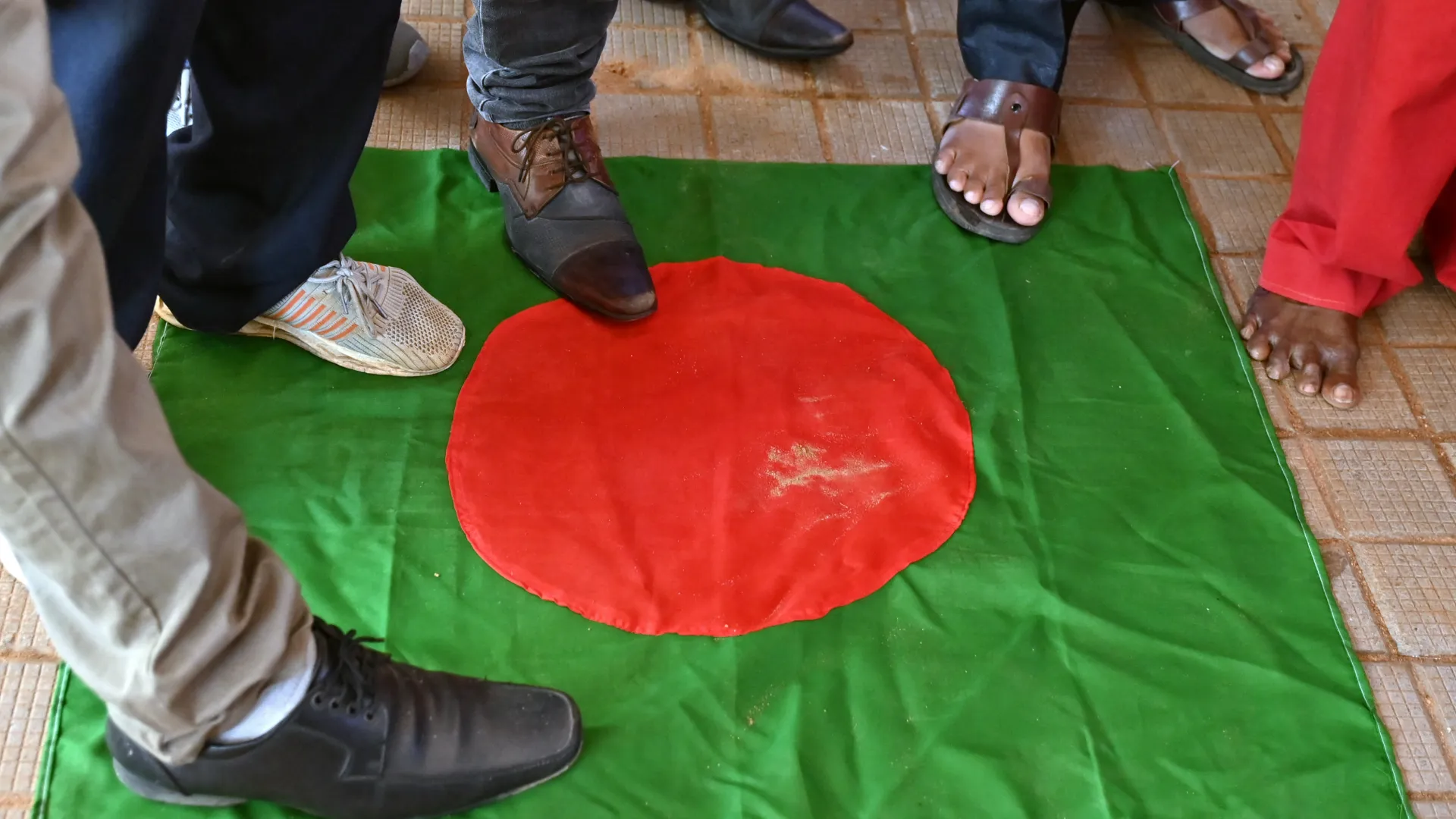

New Delhi: Relations between India and Bangladesh have entered a period of extreme volatility, marked by the shuttering of visa centers, the summoning of envoys, and escalating street protests in both nations. This diplomatic breakdown is the result of a chain reaction of violent events and political shifts following the fall of the Sheikh Hasina government.
1. The Shadow of Sheikh Hasina’s Exile
The primary friction point remains the presence of former PM Sheikh Hasina in India.
- The Death Sentence: On November 17, a Bangladeshi court sentenced Hasina to death for her role in the 2024 student uprising.
- The Extradition Demand: Dhaka has intensified its demands for New Delhi to hand over the “fugitive” leader. India’s cautious stance—emphasizing “stability and democracy”—has been interpreted by many in Bangladesh as support for the ousted regime.
2. The Killing of Sharif Osman Hadi
The death of Sharif Osman Hadi, a key face of the anti-Hasina uprising and leader of the Inqilab Moncho, has become a rallying cry for anti-India sentiment.
- The Assassination: Hadi was shot by masked gunmen in Dhaka on December 12 and died in Singapore on December 18.
- The Allegations: Without evidence, several student leaders and radical groups have alleged that the killers were protected by or fled to India, triggering marches toward the Indian High Commission in Dhaka.
3. The Lynching of Dipu Chandra Das
In India, outrage has peaked following the brutal killing of Dipu Chandra Das, a Hindu garment worker in Mymensingh.
- The Atrocity: Das was lynched and set on fire by a mob over unproven blasphemy allegations.
- The Reaction: On Tuesday, the Vishwa Hindu Parishad (VHP) and other groups led a massive protest in New Delhi, breaching barricades at the Bangladesh High Commission. This has led to India raising serious concerns regarding the safety of minorities under the Yunus-led interim government.
4. Inflammatory Rhetoric and Security Threats
Diplomatic civility reached a breaking point following a speech by National Citizen Party (NCP) leader Hasnat Abdullah.
- The “Seven Sisters” Threat: Abdullah suggested that Bangladesh could shelter Indian separatist groups to help sever the seven northeastern states from India.
- Envoy Summons: India summoned the Bangladesh High Commissioner to protest this “extremist rhetoric” and the deteriorating security of the Indian mission in Dhaka.
5. The Consular Shutdown
As a direct consequence of the protests and security threats, both nations have scaled back diplomatic operations:
- Bangladesh has suspended visa services in New Delhi, Agartala, and Siliguri.
- India had previously suspended services in Chittagong after an attempted mission breach.