

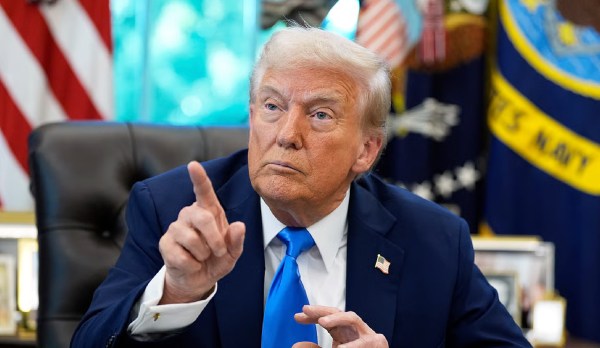

The Donald Trump administration has announced a significant increase in the vetting procedures for H-1B visa applicants—the visas intended for highly skilled foreign workers crucial to the US technology sector. This intensification follows the administration’s earlier decision in September to dramatically hike the application fees for new H-1B visas to a staggering $100,000.
These visas are vital for US tech companies, which rely heavily on skilled workers recruited from countries including India and China.
New Grounds for H-1B Visa Rejection: The ‘Censorship’ Vetting
According to a Reuters report citing an internal cable from the US State Department, new rules have been outlined for the rejection of H-1B visa applicants, focusing on their professional history concerning free speech.
The cable, which was sent to all US missions on December 2, directs consular officers to conduct a thorough review of the resumes and LinkedIn profiles of H-1B applicants—and even their family members who would be traveling with them.
Consular officers are instructed to check if the applicants have worked in areas that include activities such as:
- Misinformation
- Disinformation
- Content moderation
- Fact-checking
- Compliance
- Online safety
The key directive in the memo stated:
“If you uncover evidence an applicant was responsible for, or complicit in, censorship or attempted censorship of protected expression in the United States, you should pursue a finding that the applicant is ineligible,” under a specific article of the Immigration and Nationality Act, the cable reportedly said.
The new vetting requirements apply to both new and repeat H-1B applicants.
Targeting the Technology Sector
While the State Department cable noted that all visa applicants are subject to this policy, it specifically called for a heightened review for H-1B applicants. This is because they frequently work in the technology sector, “including in social media or financial services companies involved in the suppression of protected expression.”
The cable mandates that officers “must thoroughly explore their employment histories to ensure no participation in such activities.”
Free Speech as a Foreign Policy Focus
The Donald Trump administration has placed a strong focus on what it perceives as the stifling of conservative voices online, making free speech a significant plank of its foreign policy.
- Prior Warnings: In May, Secretary of State Marco Rubio threatened visa bans for individuals who censor speech by Americans, including on social media, and suggested the policy could target foreign officials who regulate US tech companies.
- Wider Scrutiny: The administration has already tightened vetting for student visas, requiring US consular officers to screen applicants for any social media posts that may display hostility toward the United States.
The State Department has yet to officially respond to the reports regarding the contents of the memo.