

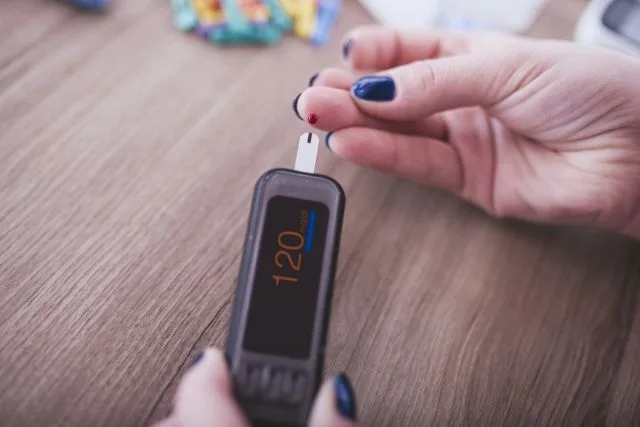

A diagnosis of type 2 diabetes is often considered lifelong — demanding continuous treatment, diet management, and vigilance against complications. However, a new study from the University of Glasgow offers hope: in certain cases, it may be possible to “reset” the disease and restore the body to a non-diabetic state.
The findings are part of a growing body of research that challenges the idea that type 2 diabetes is always permanent, suggesting that remission — or even reversal — may be achievable for some patients through weight loss, lifestyle change, or surgery.
What “Reversal” or “Remission” Means
In medical terms, diabetes remission refers to when blood sugar levels return below diabetic thresholds for an extended period without medication or surgery.
Experts caution, however, that this does not equal a cure. The underlying metabolic vulnerability usually remains. “Reversal,” often used interchangeably, essentially means achieving a sustained improvement in blood sugar control — often enough to discontinue diabetes medications while maintaining normal glucose levels.
Understanding the Biology
At its core, type 2 diabetes involves two major issues:
- Insulin resistance — particularly in the liver and muscles.
- Beta-cell dysfunction — when the pancreas can’t release enough insulin.
The University of Glasgow’s DiRECT study and other global trials have shown that fat buildup in the liver and pancreas plays a key role. Excess fat disrupts insulin production and sensitivity. Rapid weight loss can reverse these effects, allowing the pancreas to regain its ability to produce insulin and helping the body respond to it effectively.
This mechanism aligns with the “Twin Cycle Hypothesis” proposed by Professor Roy Taylor, which describes how fat reduction in these organs can reset metabolism.
Proven Methods That Can Trigger Remission
1. Bariatric (Weight-Loss) Surgery
For patients with severe obesity and related conditions like diabetes, bariatric surgery — such as sleeve gastrectomy or gastric bypass — can dramatically improve blood sugar control.
Robotic-assisted procedures now allow for more precision, less bleeding, and faster recovery.
According to landmark studies like STAMPEDE and ARMMS-T2D, such surgeries not only lead to sustained weight loss but also help many patients reduce or completely stop diabetes medications.
A large-scale review by Buchwald et al. found that 76% to 92% of patients achieved remission after surgery — one of the highest success rates recorded in diabetes treatment.
2. Very Low-Calorie Diets (VLCDs)
Research indicates that losing about 15 kg (33 lb) through a very low-calorie diet can send type 2 diabetes into remission — particularly when weight loss occurs soon after diagnosis.
In the DiRECT trial, nearly half of participants who achieved this level of weight loss went into remission within a year.
However, this approach demands close medical supervision, strong support, and long-term weight maintenance strategies to prevent relapse.
3. Low-Carbohydrate and Low-Energy Diets
Several studies have also shown that reducing carbohydrate intake or following intermittent fasting can help lower blood sugar and improve insulin sensitivity.
In one such trial, more than half of participants achieved at least one year of remission using intermittent fasting methods.
Who Is Most Likely to Achieve Remission?
Remission success depends heavily on timing and patient profile.
People who:
- Begin treatment early after diagnosis,
- Maintain a significant weight loss (10–15 kg or more), and
- Have preserved pancreatic function,
are the most likely to achieve lasting remission.
Even a 10% reduction in body weight can significantly improve insulin sensitivity. Conversely, patients with long-standing diabetes or existing complications have lower chances of remission.
Remission Isn’t a Cure
Experts emphasize that remission does not mean diabetes is gone for good. The underlying risk remains, and weight regain or metabolic stress can cause relapse.
In real-world clinical settings, remission rates remain very low — less than 0.1% in one large Scottish database.
This underscores the need for continuous lifestyle management and regular medical follow-ups even after remission.
Implications for Clinical Practice
For motivated and medically suitable patients, diabetes remission is an achievable goal — but it requires structured support and consistent follow-up.
Key strategies include:
- Early, aggressive weight management to reduce visceral fat.
- Supervised low-calorie or low-carb diets with medical oversight.
- Regular exercise and resistance training to boost insulin sensitivity.
- Long-term follow-up to sustain weight loss and prevent relapse.
Doctors are encouraged to present remission as a possible — but not guaranteed — outcome, ensuring patients continue preventive care and cardiovascular risk management.
A New Era in Diabetes Care
The University of Glasgow study adds to a growing global consensus: type 2 diabetes is not always irreversible.
While remission isn’t universal, bariatric surgery, intensive dietary intervention, and lifestyle modification are proving capable of turning back the clock for many.
Researchers now aim to make these interventions more accessible, sustainable, and standardized — transforming remission from a rare success into a mainstream treatment goal.