


New Delhi / Ottawa:
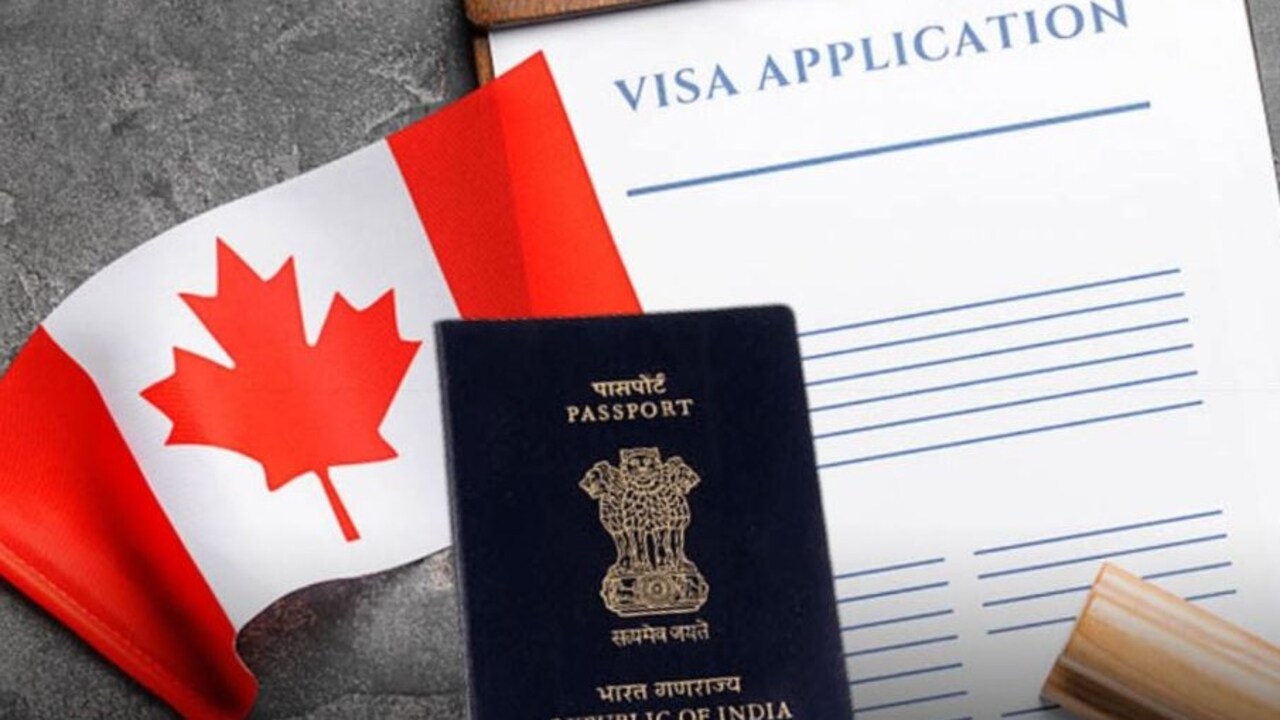
Canada rejected up to 74% of study permit applications from Indian students in August 2025, marking a sharp rise from the 32% rejection rate recorded during the same month in 2023, according to a Reuters report.
This dramatic increase coincides with a steep drop in applications from India — from 20,900 in August 2023 to just 4,515 in August 2025, reflecting growing uncertainty among Indian students about studying in Canada.
Despite Canada’s long-standing status as one of the top destinations for Indian students, India also recorded the highest rejection rate of study permits in the month under review.
India Tops Rejection Charts as Canada Tightens Immigration Rules
While Canada’s overall visa refusal rate hovered around 40%, Indian applicants faced nearly double that figure. In contrast, Chinese students saw a comparatively lower 25% rejection rate during the same period.
Officials attributed this spike in rejections to Ottawa’s crackdown on fraudulent study permits and temporary migrants. The Canadian government reduced the number of international study permits issued for the second year in a row in 2025, citing a need to preserve the integrity of its immigration system.
Diplomatic Strains Add to the Challenge
The sharp decline in approvals also comes against the backdrop of strained diplomatic relations between India and Canada, particularly following the killing of Hardeep Singh Nijjar, a Canadian citizen and Khalistan separatist leader, in British Columbia in June 2023.
Then-Prime Minister Justin Trudeau accused India of involvement in the killing — an allegation New Delhi strongly denied. The incident led to a chilling of bilateral ties and stricter visa scrutiny, especially for Indian nationals.
Nijjar was the head of Sikhs for Justice, an organisation spearheading the Khalistan Referendum campaign.
Fraudulent Admission Letters Trigger Crackdown
According to Canada’s immigration department, an investigation revealed that over 1,550 study permits were linked to fake letters of acceptance, the majority of which originated from India.
This scandal prompted the government to revamp its verification system and tighten financial requirements for study permit approvals.
Authorities now cross-check applicants’ sources of income and proof of funds, while institutions and recruitment agents face increased scrutiny to prevent document manipulation and fraudulent admissions.
“We remain concerned about the integrity of our immigration system but wish to continue welcoming Indian students,” said Canada’s Foreign Affairs Minister Anita Anand during her October visit to India.
Indian Students Losing Interest in Canadian Universities
The stricter regulations and uncertainty have visibly impacted enrollment trends. The University of Waterloo, home to Canada’s largest engineering faculty, reported a two-thirds decline in Indian student enrollment in both undergraduate and graduate programs over the past three to four years.
Jaspreet Singh, founder of the International Sikh Students Association, said he wasn’t surprised by the rejections.
“Fraud is a serious concern, but many Sikh students have also lost interest in studying in Canada,” Singh said.
“With difficulties in getting permanent residency and finding stable jobs, many feel relieved that their visas were rejected.”
A Shift in Global Education Trends
The developments point to a shift in global student mobility, with Canada tightening policies while other destinations like the UK, Australia, and Germany seek to attract more Indian students through simplified procedures.
Analysts suggest that unless Ottawa restores smoother processing and confidence among applicants, Canada could lose a major share of its international education market — one heavily supported by Indian enrollment, which previously accounted for nearly 40% of all foreign students.