

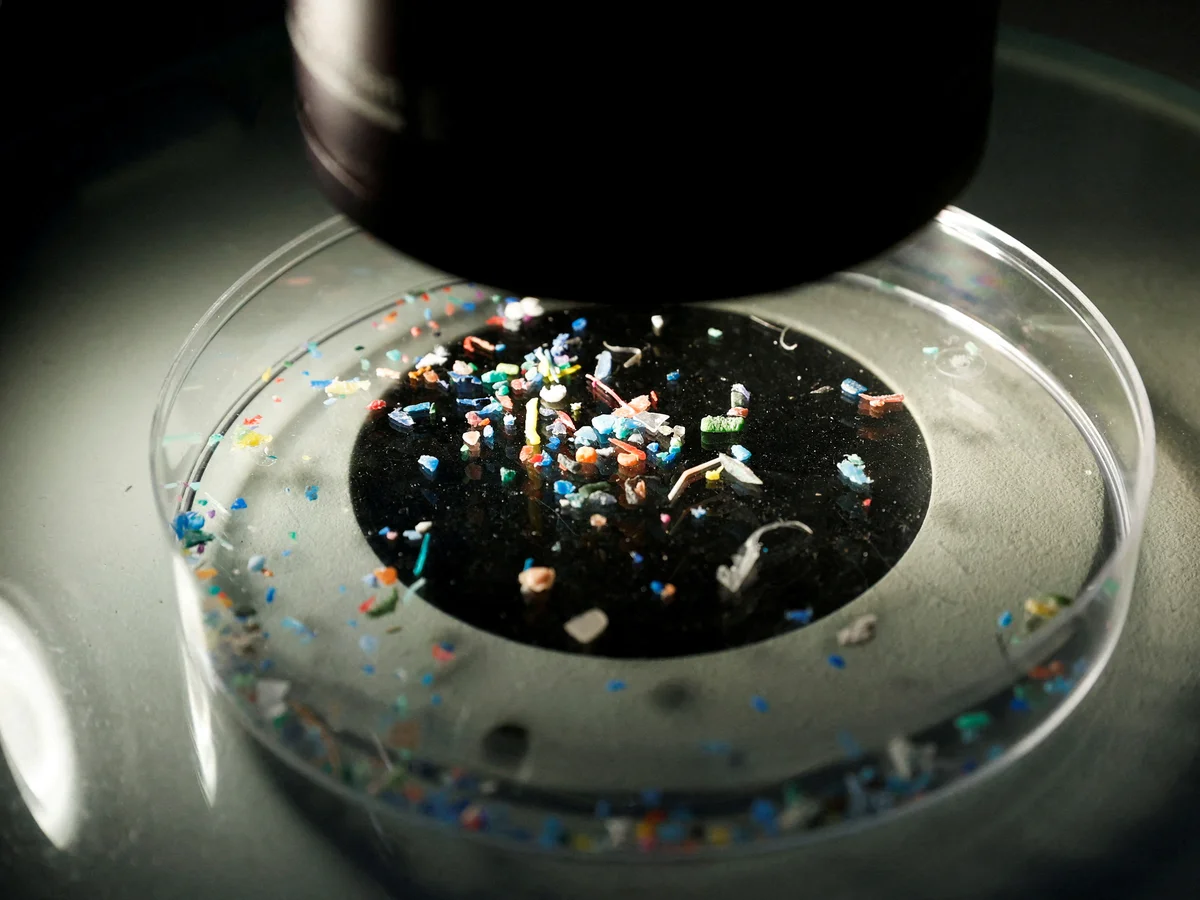

A recent study shows that microplastics are no longer just in oceans and food chains; they are now getting into important human tissues like the brain, bone marrow, placenta, and breast milk.
The analysis, called “Effects of microplastics on the bones: a comprehensive review,” looked at 62 scientific studies and found that microplastics can get into the brain, blood, placenta, breast milk, and even bone structure.
Effect on Bones
Research on animals shows that microplastics make bones weaker, stop skeletal growth, and induce malformations. They also make osteoclasts work harder. Osteoclasts are the cells that break down old or damaged bone tissue. This too much activity could break down bone tissue, making bones weaker.
Effect on the Heart and Brain
Microplastic accumulation in the brain may result in cellular and nerve impairment, tissue inflammation, and an increased susceptibility to neurodegenerative disorders. These particles can also stop blood from flowing, which could cause blood clots, high blood pressure, strokes, and heart attacks.
Effects on Cells
Scientists told Business Standard that microplastics speed up the aging of bone cells, change how they differentiate, promote inflammation, and lower the chances of cells surviving in in vitro trials.
Health Risks Over Time
The direct health effects include more incidences of osteoporosis and a greater risk of broken bones. The International Osteoporosis Foundation says that the number of people with osteoporosis around the world will go up by 32% by 2050.
This survey shows that people are becoming more and more worried about how plastic pollution affects people’s health without their knowing it.