

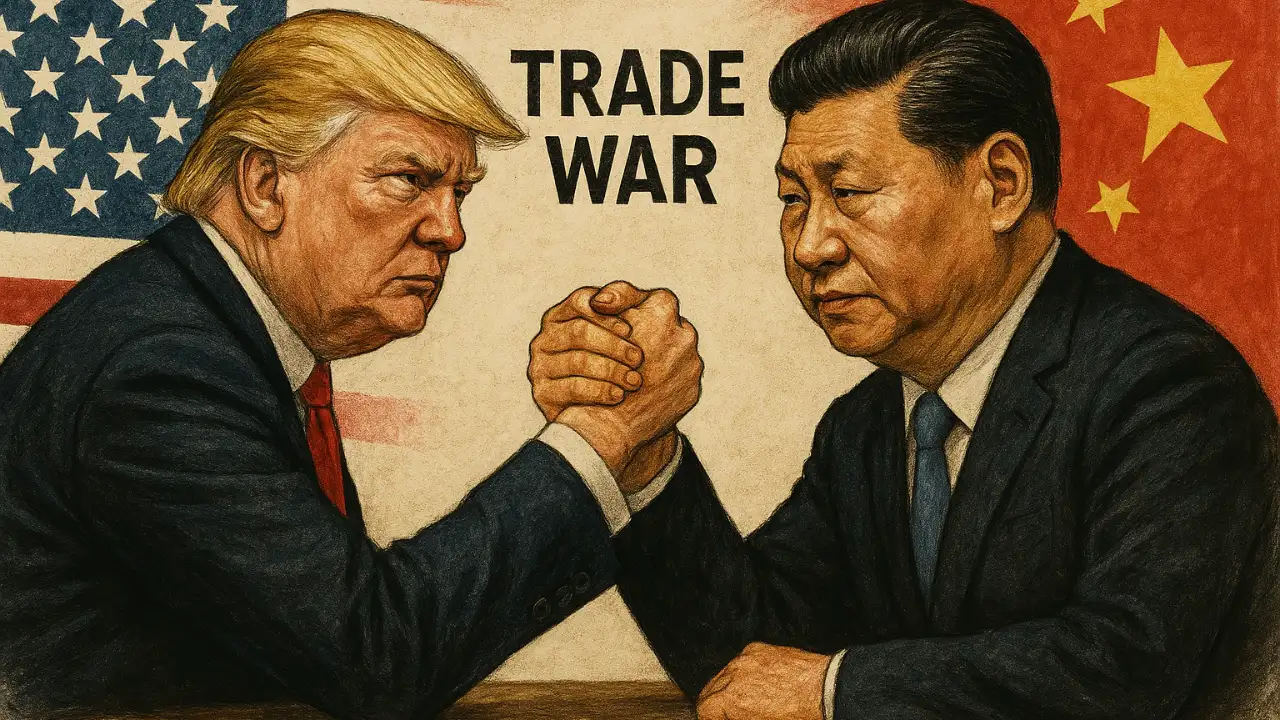

As trade tensions continue to simmer between New Delhi and Washington, a former Indian diplomat and foreign policy analyst, M.K. Bhadrakumar, believes that India is undergoing a quiet but significant recalibration of its global economic strategy. He suggests that this could lead to a larger role for China in India’s future trade relations.
Bhadrakumar’s analysis comes as the United States, under President Donald Trump, has implemented a series of punishing tariffs on Indian exports. These measures, which in August 2025 included a punitive 25% increase on top of a 25% base reciprocal tariff for a total duty of up to 50%, were imposed in response to India’s continued purchases of Russian oil. According to Bhadrakumar, these tariffs are unlikely to be lifted anytime soon, as they are tied to a contradiction within the Trump administration’s approach to Russia.
In response to this pressure, Bhadrakumar believes India has begun to diversify its global alliances. This marks a notable shift away from a recent reliance on the United States and is part of India’s growing strategic autonomy. “India has seriously begun diversifying its trade and economic relations. It is no longer thinking of putting so many eggs in the American basket as it used to,” he stated.
According to the former diplomat, one of the most surprising and important developments is India’s quiet overture toward opening up economic ties with China. Bhadrakumar notes that this could be a strategic move to find new economic partners and reduce reliance on the U.S. “Most importantly, India is opening up a line to China. China may enter the Indian market in a big way, which will generate employment, and that will completely change the relationship,” he said.
This potential shift is underscored by a recent meeting between Prime Minister Narendra Modi and Chinese President Xi Jinping on the sidelines of the Shanghai Cooperation Organisation (SCO) summit. The two leaders reportedly pledged to strengthen bilateral cooperation and build their relationship on a foundation of mutual trust, respect, and sensitivity, a move that signals a potential thaw in relations amidst ongoing trade disputes with the West.