

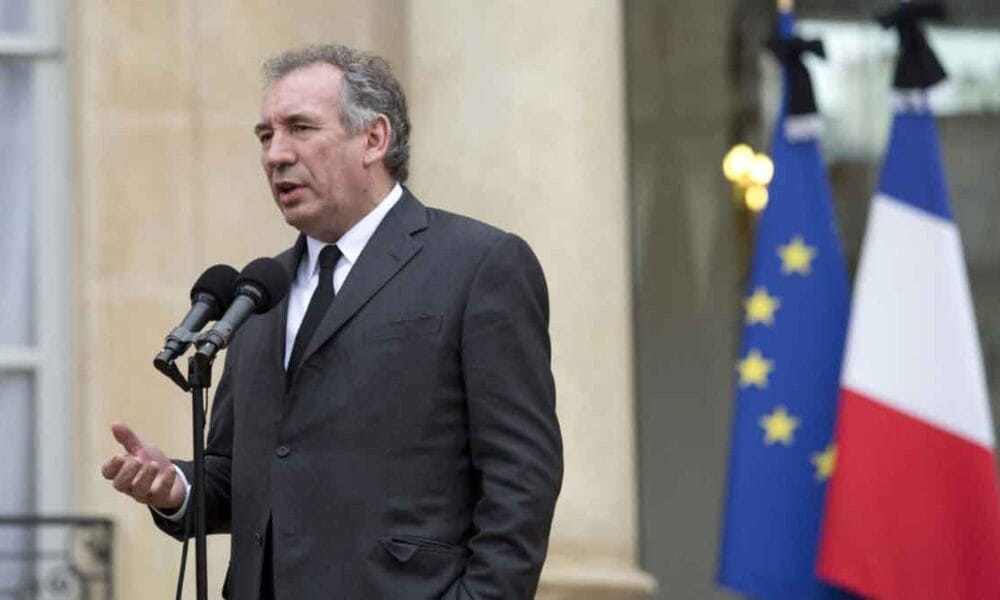

Paris— On Monday, France’s political problems are likely to get worse when Prime Minister Francois Bayrou has to face a no-confidence vote that he is generally predicted to lose. If he loses the election, the political situation in the second-largest economy in the euro zone will get worse, and President Emmanuel Macron won’t have many simple choices.
How We Got Here
Macron called a sudden parliamentary election in 2024, which was a political bet that led to the current turmoil. The move didn’t work, and the parliament is now very divided. Macron’s own party lost seats, and the far-right National Rally became the biggest party in the National Assembly. This made it much harder for Macron to dominate the legislature.
France’s public debt has grown to 113.9% of GDP, and last year’s deficit was almost twice the European Union’s 3% limit. In response, Bayrou, a long-time center-right politician and Macron’s fourth prime minister since he was re-elected in 2022, suggested a new budget for 2026. The plan said that €44 billion ($51.51 billion) should be saved by freezing pensions, cutting healthcare, and getting rid of two public holidays.
The opposition immediately spoke out against the austerity measures. Bayrou made a bold step by asking for a confidence vote on his budget plan because there was no clear way to get it passed. The opposition has already said they will vote him out, and they have more than enough votes to do so.
What Goes On on Monday?
The National Assembly will meet at 1500 GMT (1700 IST). Bayrou will start by giving a speech in which he defends his budget and warns parliamentarians about how bad the country’s finances are. His address is more for the record than to try to change the vote, since he is practically sure to lose.
After the speech, each of the 10 groupings in Parliament will answer before a vote by paper ballot. An absolute majority of the votes cast, not the total number of seats in the assembly, will decide the outcome. Bayrou will have to give his resignation to President Macron if the government loses, which is what people think will happen. The results should come in sometime between 1730 and 1800 GMT.
What Macron Can Do After the Vote
Macron is in charge of what happens next. Reports say that the president has ruled out calling another quick election because important political allies think it won’t help the situation. Instead, he will have to choose a new prime minister.
Macron might appoint someone from the center-left because his last four center-right picks couldn’t handle the broken parliament. He might also choose a technocrat. There are no rules about who he has to choose or how fast he has to do it. Bayrou could stay in charge if he takes his time making the decision.
The National Rally and the far-left France Unbowed want Macron to quit and call for a new parliamentary election. However, a source close to Macron stated that an agreement with the Socialists seemed to be one of the “only viable options.” Some names that have been suggested for the next prime minister are Eric Lombard, the finance minister; Bernard Cazeneuve, the former socialist prime minister; and Pierre Moscovici, the head of the Court of Auditors.
France has a stressful September ahead of it, no matter what happens with the government:
The grassroots “Bloquons Tout” (“Let’s Block Everything”) campaign is planning rallies all around the country on September 10.
On September 12, Fitch will look at France’s credit rating again. If the political turmoil gets worse, it might go down.
On September 18, unions are going to hold strikes and protests all around the country.