

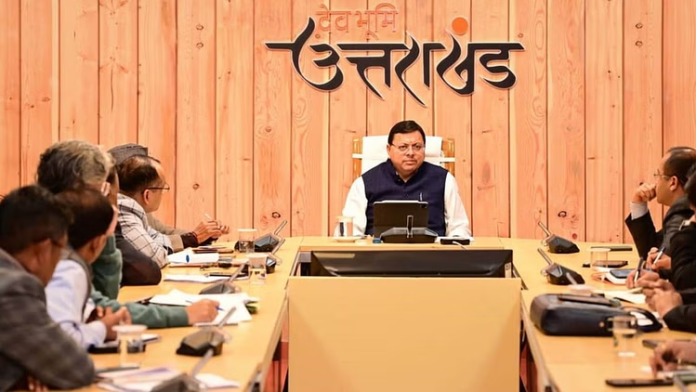

DEHRADUN – Chief Minister Pushkar Singh Dhami and the rest of the Uttarakhand administration have adopted a new measure that would change the state’s schools for minority groups. The state cabinet approved the “Uttarakhand Minority Educational Institutions Bill, 2025,” on Sunday. It will be presented at the summer capital of Gairsain during the next monsoon assembly session. The main goal of the measure is to give the benefits of minority status, which used to only apply to Muslim schools, to other recognized minority groups as well.
The new law would let Sikh, Jain, Christian, Buddhist, and Parsi groups set up and run schools with the official recognition and perks that come with being a minority. Officials noted that the bill’s goal is to make the process of giving this status clear and up-to-date, while also making sure that education meets certain standards. From July 1, 2026, it will also get rid of the “Uttarakhand Madrasa Education Board Act, 2016” and the “Uttarakhand Non-Government Arabic and Persian Madrasa Recognition Rules, 2019.”
New Power to Make Sure Things Are Clear and Good
The proposed law’s main point is to set up the Uttarakhand State Minority Education Authority. This new organization will be in charge of processing applications, giving recognition, and keeping an eye on schools to make sure they meet the standards set by the Uttarakhand Board of School Education. The authority will also be in charge of making sure that student assessments are fair.
Under the new rules, all schools run by the identified minority groups must get recognition. To be eligible, organizations must be registered under the Society Act, Trust Act, or Company Act, and they must keep all of their property and bank accounts in the name of the organization. The measure strikes a balance between allowing institutions to run their own affairs and letting the government keep an eye on them. The government will still be able to issue orders and take away recognition if an organization is mismanaging its money, not being open about its activities, or doing things that undermine religious and social harmony.
Officials have praised the move as a historic step that will help kids and communities by making a process that used to be uneven easier and boosting the overall quality of education in schools run by minorities.