

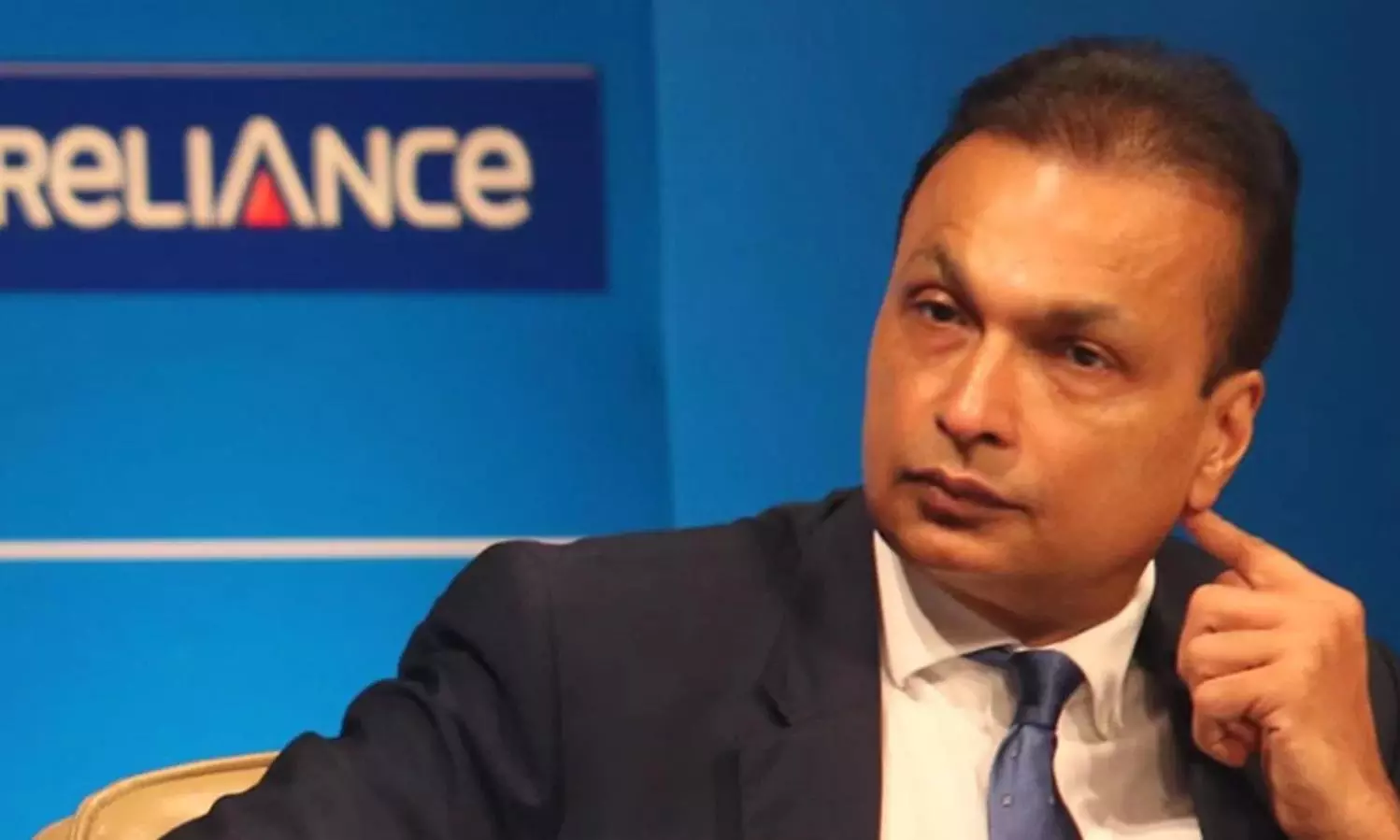

New Delhi, India- The Enforcement Directorate (ED) started a big search operation on Thursday at 35 places in India as part of an ongoing investigation into a loan fraud case involving companies from the Anil Ambani-led Reliance Anil Dhirubhai Ambani Group (ADAG). The raids, which were done on the Prevention of Money Laundering Act (PMLA), are mostly about possible financial problems with loans given by Yes Bank.
Reports say that the ED’s investigation is based on two First Information Reports (FIRs) that the Central Bureau of Investigation (CBI) submitted in September 2022. These CBI cases are on loans that Yes Bank gave to Reliance Home Finance Ltd (RHFL) and Reliance Commercial Finance Ltd (RCFL). Both of the original FIRs also identified Rana Kapoor, who used to be the chairman of Yes Bank.
Claims of Loan Diversion and Quid Pro Quo
The ED’s early investigations point to a “well-planned scheme” to divert or siphon off almost ₹3,000 crore in loans that Yes Bank gave to ADAG businesses between 2017 and 2019. The ED is looking into the possibility that Yes Bank promoters may have received money in their own businesses soon before these loans were made. This could mean that there was a “bribe-for-loan” connection or a quid pro quo deal.
Reports say that investigators have found “gross violations” in the way Yes Bank approves loans. These include backdated Credit Approval Memorandums (CAMs), plans for investments that don’t follow the bank’s own credit rules, and proposals for investments that don’t do adequate due diligence or credit analysis. It is believed that these funds were moved to many group companies and dummy firms in violation of the loan requirements.
ED Found Red Flags
The ED’s inquiry has brought to light a number of “red flags” in the loan deals:
Loans given to businesses that are not doing well financially.
Not having the right paperwork and not doing your homework.
Borrowers with the same addresses and directors, which suggests that they are all part of a network of businesses.
Times when loans were given out on the same day as the application or even before they were officially approved.
“Evergreening” of loans, which means giving out new loans to pay off existing ones so they don’t get marked as non-performing assets.
Misleading financial information.
More regulatory scrutiny and the company’s response
The ED’s present action is also supported by information from other financial and regulatory bodies, such as the National Housing Bank, the Securities and Exchange Board of India (SEBI), the National Financial Reporting Authority (NFRA), and the Bank of Baroda. For example, SEBI had already pointed out that RHFL’s corporate loans had skyrocketed from ₹3,742.60 crore in FY 2017–18 to ₹8,670.80 crore in FY 2018–19, which raised doubts about irregularities.
In June 2025, the State Bank of India (SBI) also called the loan account of Reliance Communications (RCom) and its proprietor Anil Ambani “fraud” and started the process of telling the CBI about it. This comes after SEBI’s actions in August 2024, when it banned Anil Ambani and 24 other companies from the securities market for five years because they were taking money away from Reliance Home Finance.
Reliance Power and Reliance Infrastructure both put out statements saying that the ED raids had “absolutely no impact on the business operations, financial performance, shareholders, employees, or any other stakeholders” of their enterprises. They made it clear that they are “separate and independent listed entities with no business or financial connection” to RCom or RHFL and that Anil Ambani is not on any of their Boards. They also said that accusations about RCom and RHFL transactions are “over 10 years old” and are either still being looked into or have already been dealt with.