

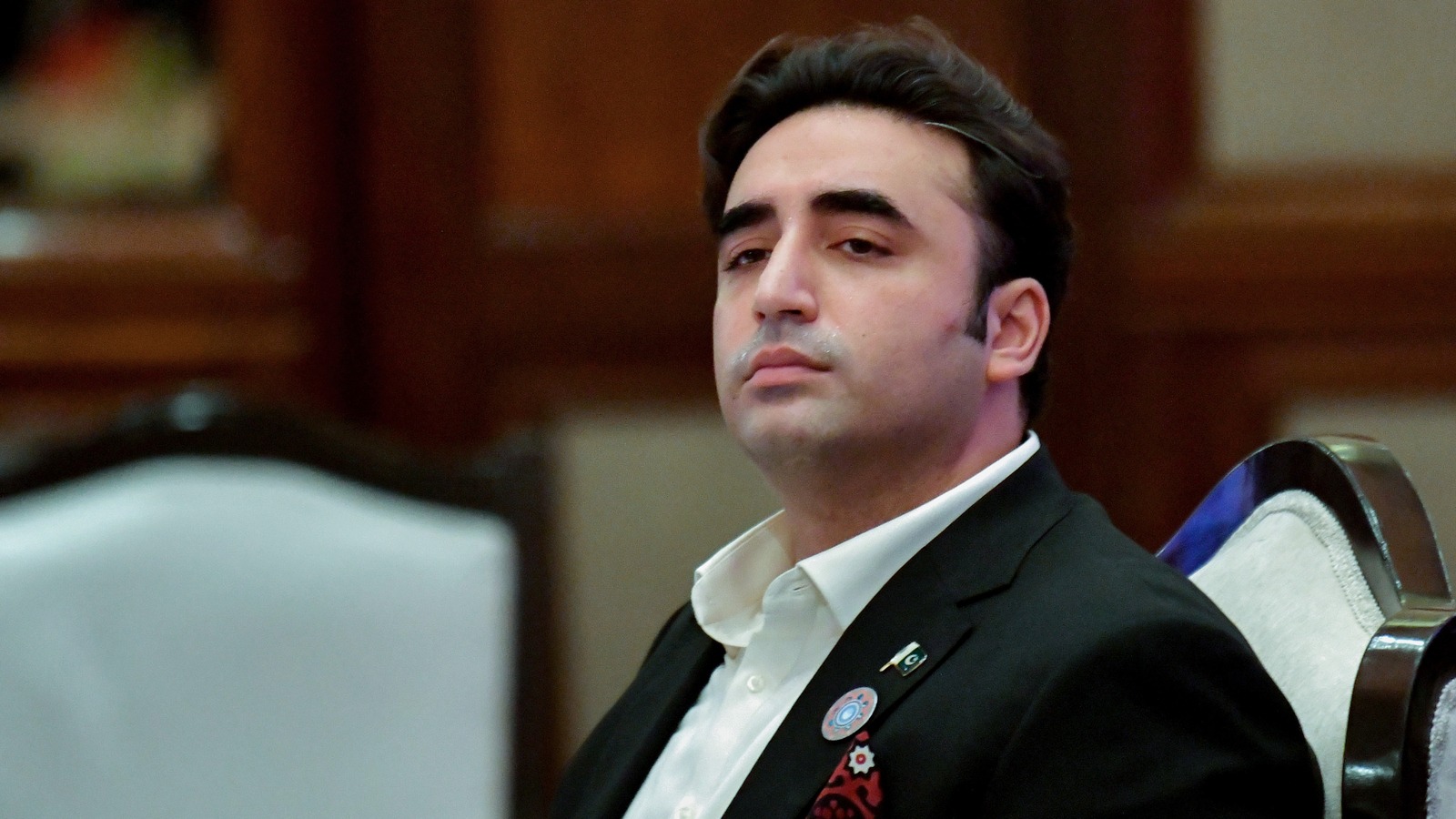

New Delhi [India]: In a rare and candid acknowledgment, former Pakistani Foreign Minister Bilawal Bhutto Zardari has admitted that Pakistan has a history of ties with terror operatives, a statement that comes shortly after Defence Minister Khwaja Asif openly confessed to the country’s decades-long support for extremist groups.
‘We Have Suffered, But Also Reformed’: Bhutto
Speaking to Sky News’s Yalda Hakim on Thursday, Bhutto stated:
“As far as what the Defence Minister said, I don’t think it is a secret that Pakistan has a past. As a result, we have suffered. Pakistan has suffered. We have gone through wave after wave of extremism. But… we also learned our lessons.”
He stressed that the country has undertaken internal reforms and claimed it no longer engages in such practices:
“As far as Pakistan’s history is concerned, it is history. It is not something we are partaking in today. It is an unfortunate part of our past.”
Rhetoric Returns at Rally
Later that day, while addressing a rally in Mirpur Khas, Bhutto struck a more defiant tone:
“Pakistan is a peaceful country, and Islam is a peaceful religion. We do not want war, but if someone attacks our Sindhu, then they should be ready for war.”
He added:
“We don’t beat the drums of war, but if provoked, the roar of a united Pakistan will be deafening.”
Khwaja Asif’s Viral Admission
Bhutto’s comments follow a viral interview clip in which Defence Minister Khwaja Asif admitted on international media that Pakistan had supported and funded terror groups, often as a proxy for Western interests.
Responding to a direct question on Pakistan’s support for terrorism, Asif said:
“We have been doing this dirty work for the United States for about three decades… and the West, including Britain. That was a mistake, and we suffered for that.”
He added that had Pakistan avoided involvement in the Cold War and post-9/11 campaigns, its “track record would have been unimpeachable.”
Context: The Pahalgam Attack and India’s Response
These revelations come against the backdrop of the April 22 terror attack in Pahalgam, Jammu and Kashmir, where 26 people, mostly tourists, were killed. The attack was claimed by Lashkar-e-Taiba (LeT) — a UN-designated terror group with well-documented links to Pakistan’s military and intelligence apparatus.
India has responded forcefully, both diplomatically and militarily, accusing Pakistan of direct complicity in cross-border terrorism and pausing provisions of the Indus Waters Treaty and reducing diplomatic ties.
Implications of the Admissions
The admissions by Pakistan’s top leaders — current and former — mark a significant moment of public reckoning. While Bhutto emphasizes reform, analysts note that mere acknowledgment without accountability or dismantling of terror networks will not satisfy international or regional concerns.
India, which has long maintained that Pakistan uses terrorism as a state policy, is likely to view these comments as validation of its position on the global stage.