

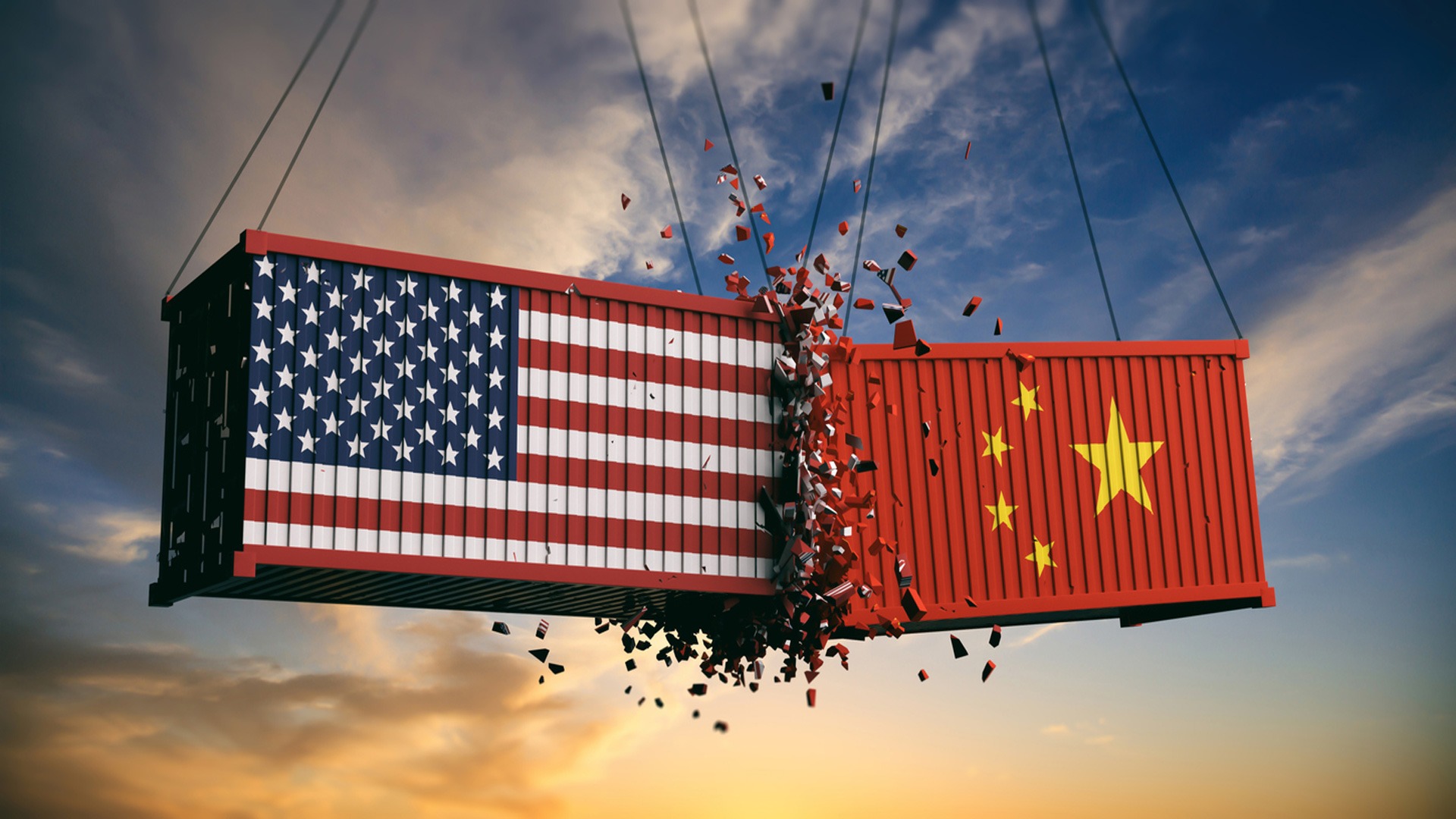

New Delhi [India]: The tariffs imposed by US President Donald Trump on Chinese goods could open significant opportunities for India, provided the country implements necessary internal reforms to capitalize on the situation, said Ajay Srivastava, Former Additional Director General of Foreign Trade (DGFT).
In 2024, China’s exports to the US were valued at USD 462 billion, while India’s exports stood at USD 90 billion. Srivastava highlighted that between 2017 and 2024, India’s exports to the US grew by USD 38 billion, much of which was at China’s expense.
In an exclusive interview with ANI, Srivastava stated:
“During the last tariff war, if we compare the rise in India’s exports to the USA between 2017 and 2024, our exports rose by 38 billion dollars. Much of this is what China has lost. So, there is scope. But for that, we have to undertake internal reforms.”
He emphasized that for India to gain further, it needs to focus on internal reforms, cost-effective manufacturing, and deep manufacturing capabilities.
Auto Parts Sector: A Key Opportunity
One sector where India could benefit significantly is auto parts. In 2024, India exported USD 2.2 billion worth of auto parts to the US, compared to China’s USD 10 billion. However, Mexico led the sector with USD 90 billion in exports.
“Our exports to the USA of auto parts stood at 2.2 billion dollars in 2024, while China exported 10 billion dollars. Most of the exports, about 90 billion dollars, came from Mexico. So, if both China and Mexico face tariffs, Indian manufacturers could secure a larger share of the U.S. market,” said Srivastava.
However, he warned that the impact would depend on how Trump structures his tariffs. If the US imposes sector-wide tariffs covering both auto parts and passenger vehicles, it could present both risks and opportunities for India.
Tariff Differences and Impact on Passenger Vehicles
India’s tariffs on auto parts are 7.5%, compared to the US rate of 2%, creating a 5% difference. If auto parts are grouped with passenger vehicles under a flat tariff, it could pose challenges.
India’s exports of passenger cars to the US were less than USD 2 million in 2024, meaning tariffs on this segment would have minimal impact. However, a flat tariff across the entire auto sector could affect India’s potential gains in the auto parts market.
Need for Strengthening Manufacturing Sector
While the full details of the tariff structure are yet to be disclosed, Srivastava stressed the importance of strengthening India’s manufacturing sector to stay competitive in global trade.
“We don’t know whether we are going to survive the tariffs. But if we can, a fair chunk of auto parts exports will come to India,” he noted.
Ajay Srivastava concluded by urging the government to act swiftly on internal reforms to maximize the opportunities arising from the US-China tariff conflict.