

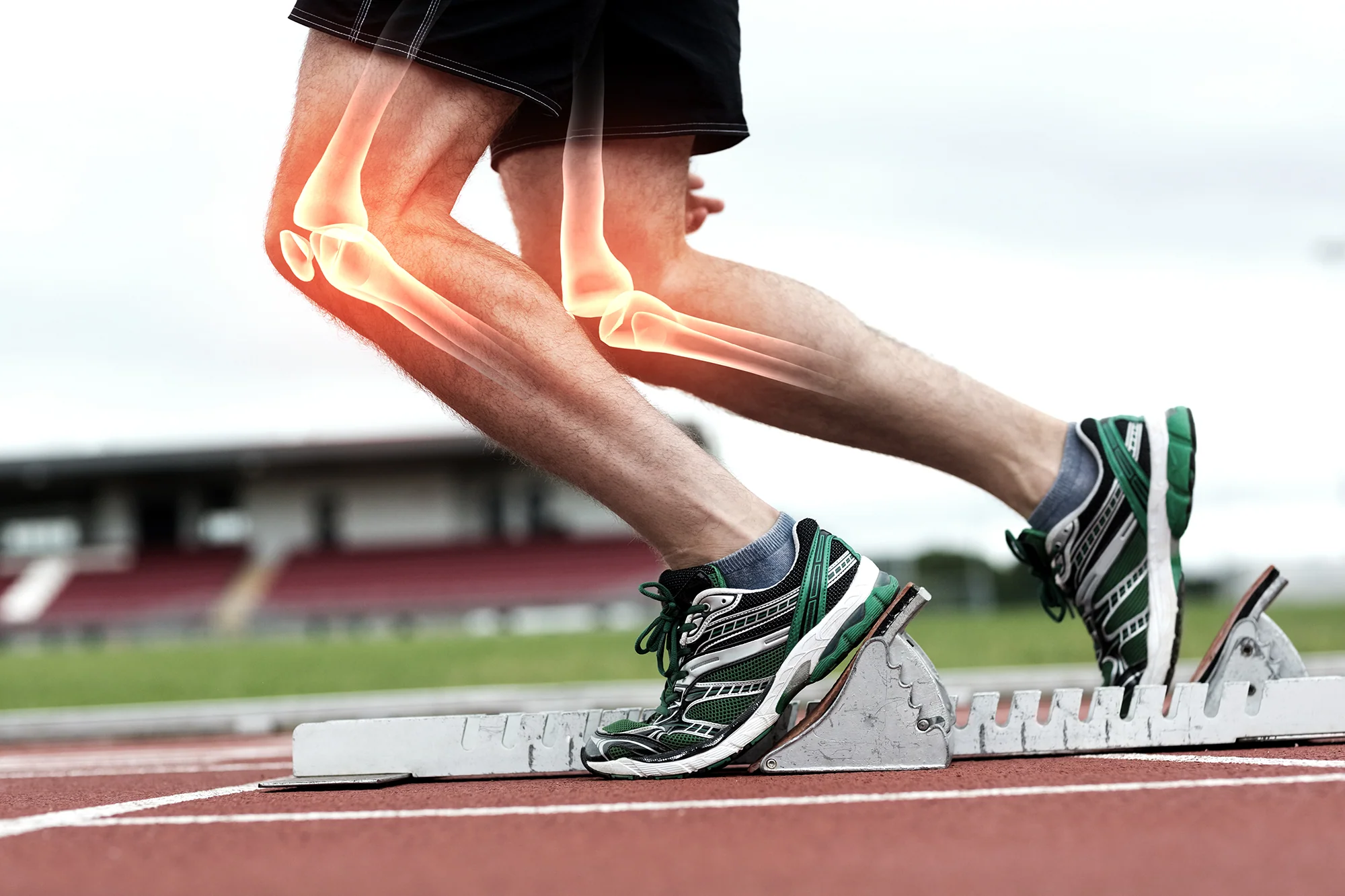

For total mobility and quality of life, it’s important to have healthy bones and joints. Joints let you move and bend, but bones give you structure, protect your organs, hold your muscles in place, and store calcium. As we become older, our bones get weaker and our joints are more likely to wear out.
Why the Health of Bones and Joints Gets Worse as You Get Older
Loss of bone density: Bone density normally diminishes over time, especially in women after menopause when estrogen levels drop. Bones lose calcium and other minerals, which makes osteoporosis more likely.
Wear and tear: Moving and putting stress on your joints on a regular basis can slowly damage them, which can lead to osteoarthritis. When cartilage breaks down, it might make you stiff, hurt, and less able to move.
7 Ways to Keep Your Bones and Joints Healthy
Have a healthy diet
Put calcium-rich foods (like dairy, leafy greens, nuts, and seeds) and vitamin D (like being in the sun and eating fatty fish) at the top of your list. To help keep your joints healthy, eat foods that fight inflammation, like fruits, vegetables, and fatty fish.
Work out often
Resistance and weight-bearing workouts make bones and muscles stronger. Yoga and swimming are two low-impact activities that help keep joints flexible.
Keep your weight in a healthy range.
Extra weight puts stress on joints, especially the hips and knees. Keeping your weight in a healthy range puts less stress on your joints and minimizes your risk of having joint problems.
Drink plenty of water
Drinking enough fluids keeps your joints lubricated, which helps them move smoothly.
Cut back on smoking and drinking.
Smoking makes bones weaker, and drinking too much alcohol makes it harder for the body to absorb calcium. Not doing these things will help keep your bones strong over time.
Make sure you see the doctor on a regular basis.
If you are at higher risk, keep an eye on your bone density and talk to your doctor about any joint problems you may have. Finding problems early can help keep them from getting worse.
Think about taking supplements
Calcium and vitamin D pills may help women going through menopause. Before starting any kind of supplement plan, talk to a doctor.
To avoid fractures, osteoporosis, arthritis, and joint discomfort, it’s important to keep your bones and joints healthy. As you get older, eating well, exercising, and going to the doctor regularly can help you stay mobile, independent, and have a good quality of life.
This information is not a replacement for expert medical advice; it is just general information.