

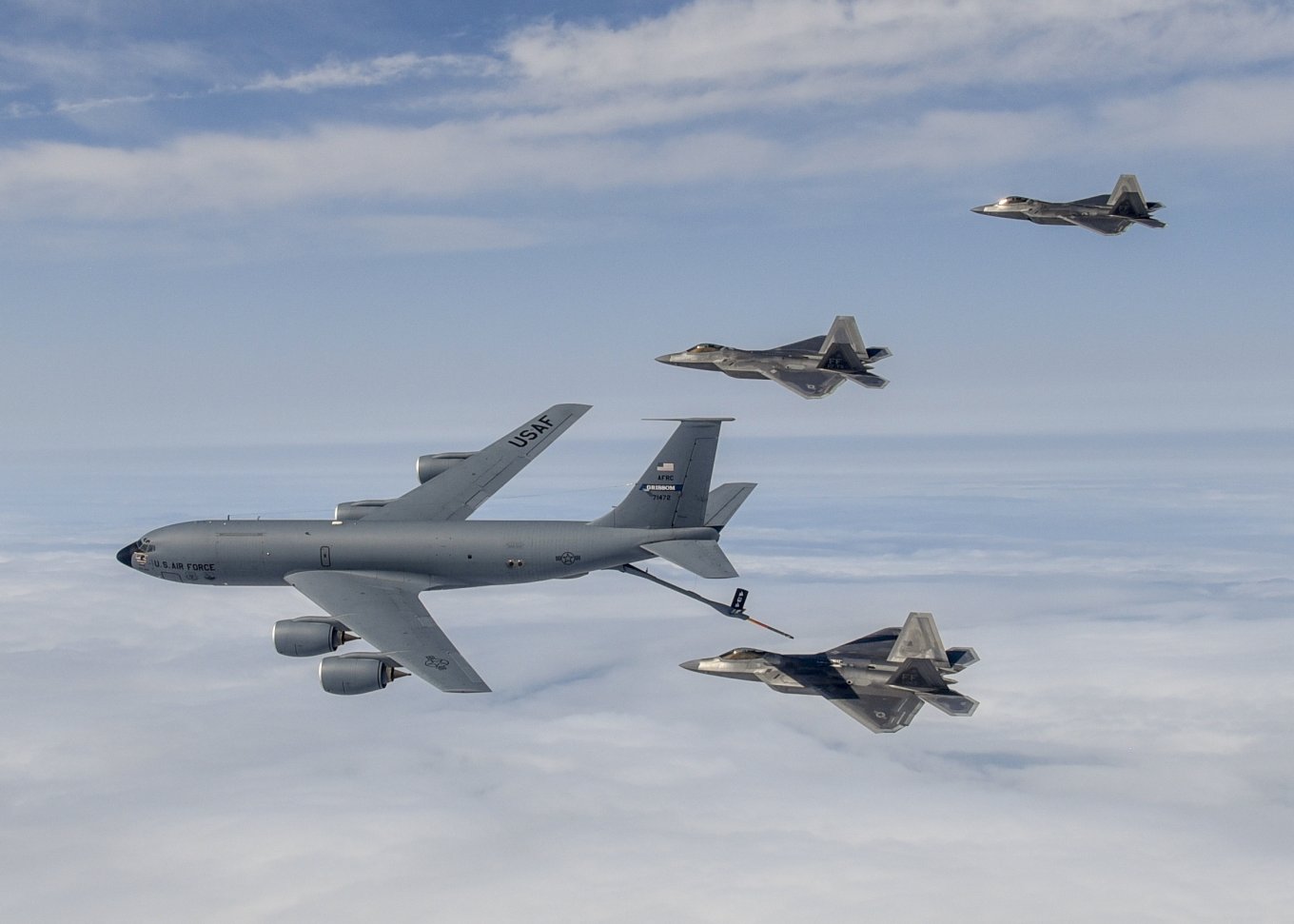

SAUDI ARABIA / WASHINGTON — The U.S. Air Force’s regional logistics backbone has taken a significant hit following an Iranian missile strike on Prince Sultan Air Base in Saudi Arabia. The Wall Street Journal reports that five U.S. refueling aircraft were damaged on the tarmac during the barrage, marking a deliberate attempt by Tehran to cripple the “gas stations in the sky” that enable long-range U.S. and Israeli sorties.
While no casualties were reported in this specific attack, the loss of operational capacity comes at a time when the U.S. is already reeling from a fatal mid-air tragedy involving its tanker fleet.
1. The Strike on Prince Sultan Air Base
The damage to the refueling planes—essential for keeping fighter jets airborne over the vast distances of the Middle East—represents a tactical shift in Iran’s targeting.
- Partial Damage: The aircraft were hit by shrapnel and blast pressure while parked. They are currently undergoing repairs at the base and have been classified as “partially damaged” rather than destroyed.
- Strategic Impact: Grounding these tankers limits the endurance of F-35 and F-15 missions, potentially forcing U.S. air operations to scale back intensity until replacements arrive or repairs are completed.
2. Fatal KC-135 Crash in Western Iraq
The strikes on the ground follow a devastating incident in the air on Thursday, March 12.
- The Crash: A KC-135 Stratotanker supporting operations in western Iraq crashed, resulting in the deaths of all six crew members.
- Unspecified Incident: U.S. Central Command (CENTCOM) stated the crash followed an “unspecified incident” involving two aircraft in “friendly airspace.”
- Emergency Landing: While one tanker was lost, the second aircraft involved in the incident managed to stay airborne and performed an emergency landing in Israel.
3. Vulnerability of the “Aerial Bridge”
The dual blow to the tanker fleet highlights the high operational stress and physical vulnerability of support aircraft in the current conflict.
- Logistical Chokehold: With the Strait of Hormuz contested and regional bases under fire, the U.S. relies almost entirely on its “aerial bridge” for fuel and supplies.
- Escalation: The targeting of assets on Saudi soil despite Riyadh’s cautious stance in the war suggests Iran is willing to risk widening the conflict to neutralize U.S. military advantages.
U.S. Air Force Tanker Status: March 14, 2026
| Aircraft Type | Location | Status |
| 5 Refueling Planes | Prince Sultan AB (KSA) | Damaged (On Ground) |
| 1 KC-135 | Western Iraq | Destroyed (6 KIA) |
| 1 Tanker | Israel | Landed Safely (Damaged) |