


When most people hear the word fibre, they immediately think about smoother digestion and relief from constipation. While that’s certainly one of its key roles, fibre does far more than keep your gut regular. Emerging research shows that getting enough fibre every day can positively impact your heart, blood sugar levels, weight, and even your immune system.
According to a study published in the journal Nutrients, dietary fibre refers to non-digestible carbohydrates — primarily polysaccharides — naturally found in plant-based foods. Because the body cannot break them down, they move through the digestive tract largely intact, delivering multiple health benefits along the way.
The study explains that fibre is broadly classified based on water solubility:
- Soluble fibre, found mainly in fruits and vegetables, dissolves in water and forms a gel-like substance.
- Insoluble fibre, abundant in cereals and whole grains, adds bulk to stool and supports regular bowel movements.
Here are four powerful benefits of fibre that go well beyond digestion:
1. Supports Heart Health
Soluble fibre, found in foods like oats, beans, apples, and citrus fruits, plays a crucial role in protecting the heart. It helps reduce low-density lipoprotein (LDL) cholesterol — commonly referred to as “bad” cholesterol.
It works by binding to cholesterol particles in the digestive tract and helping remove them from the body before they enter circulation. Lower LDL cholesterol levels are linked to a reduced risk of heart disease and stroke.
High-fibre diets have also been associated with improved blood pressure and better overall cardiovascular function. Over time, these benefits can significantly lower the risk of developing serious heart conditions.
2. Helps Control Blood Sugar Levels
Fibre is particularly beneficial for individuals with diabetes or insulin resistance. It slows the absorption of sugar into the bloodstream, preventing sudden spikes and crashes in blood glucose levels.
The study published in Nutrients notes that adequate fibre intake improves glycemic control by stabilizing how quickly carbohydrates are digested and absorbed.
Whole grains, lentils, vegetables, seeds, and legumes are especially helpful in maintaining steady energy levels throughout the day. By moderating blood sugar fluctuations, fibre reduces strain on insulin production and supports long-term metabolic health.
3. Aids in Weight Management
If you’re trying to manage your weight, fibre can be one of your most effective allies.
High-fibre foods take longer to chew and digest, promoting a feeling of fullness — known as satiety. When you feel satisfied for longer periods, you’re less likely to overeat or snack unnecessarily.
Additionally, fibre-rich foods are typically less energy-dense, meaning they provide fewer calories per gram compared to processed foods. This allows you to eat generous portions without consuming excessive calories, making weight management more sustainable and less restrictive.
4. Supports Gut Microbiome Health
Fibre doesn’t just move through your gut — it feeds it.
Certain types of fibre act as prebiotics, nourishing beneficial gut bacteria. When these bacteria ferment fibre, they produce short-chain fatty acids that support colon health and reduce inflammation.
A healthy gut microbiome plays a critical role in:
- Strengthening immunity
- Regulating inflammation
- Supporting mood and mental health
- Enhancing nutrient absorption
This connection between fibre and gut bacteria highlights how deeply digestion is tied to overall health.
How Much Fibre Do You Need?
According to research published in the journal The BMJ, most adults should aim for:
- Around 25 grams per day for women
- Between 30 and 38 grams per day for men
However, many people fall significantly short of these recommendations, especially those who consume diets high in processed or refined foods.
Best Sources of Fibre
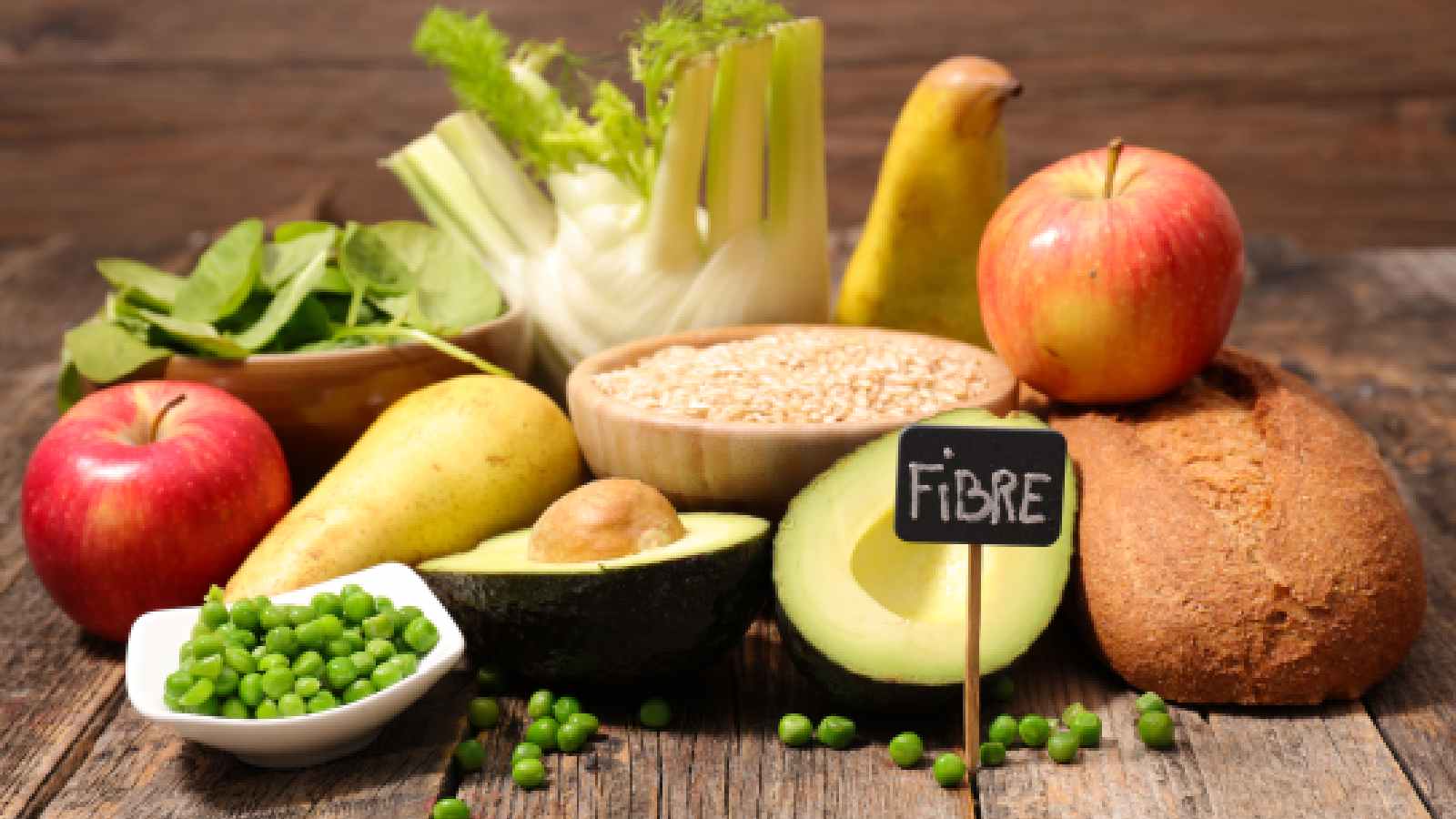
To reap the full benefits, include a balanced mix of soluble and insoluble fibre from:
- Whole grains
- Lentils and beans
- Fruits such as apples and pears
- Vegetables like broccoli and carrots
- Nuts and seeds
Experts recommend increasing fibre intake gradually and drinking plenty of water to prevent bloating or discomfort.
The Bottom Line
Fibre is far more than a digestive aid. It plays a vital role in protecting heart health, stabilizing blood sugar, supporting weight management, and nourishing the gut microbiome.
If fibre hasn’t been a priority in your diet, now may be the perfect time to make simple, sustainable changes. Swapping refined grains for whole grains, adding more fruits and vegetables to meals, and including legumes a few times a week can deliver long-term benefits that extend well beyond digestion.
Disclaimer: This content provides general information only and is not a substitute for professional medical advice. Always consult a qualified healthcare provider for personalized guidance.