

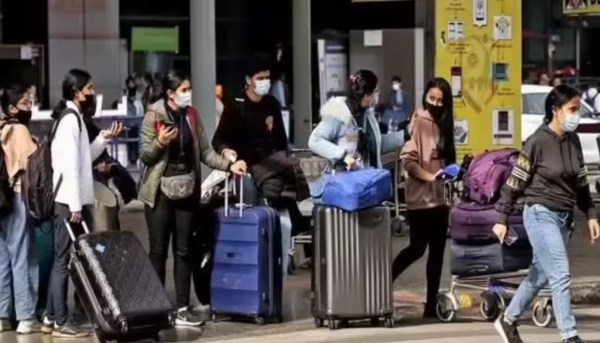

Data shared by immigration consultant Kanwar Seirah reveals a looming “bottleneck” in Canada’s immigration system. As the federal government shifts from a policy of rapid growth to one of strict “sustainability,” the pathways to permanent residency (PR) have narrowed significantly, leaving millions of temporary residents in a precarious legal limbo.
The Numbers: A Growing “Out of Status” Population
The scale of the expiring permits is staggering compared to previous years. According to IRCC data obtained by Seirah, the expiry schedule is as follows:
- Expired by end of 2025: ~1,053,000 work permits.
- Set to expire in 2026: ~927,000 work permits.
- Q1 2026 Peak: Nearly 315,000 expiries are expected in the first three months of this year alone.
By mid-2026, it is estimated that at least 1 million Indians could be living in Canada without valid legal status. This includes former international students whose Post-Graduation Work Permits (PGWPs) have run out and temporary foreign workers whose Labor Market Impact Assessments (LMIAs) were not renewed under the new, tighter rules.
Why is this happening?
The crisis is the result of a “perfect storm” of policy shifts and economic pressures:
- Tightened PR Criteria: Canada has significantly raised the “Comprehensive Ranking System” (CRS) scores required for Express Entry, making it nearly impossible for many young professionals to transition to PR.
- The “Stay” Slogan Reversal: Protesters note that the IRCC once used the slogan “Study, Work, Stay,” enticing millions to move. Now, the government is slashing international student admissions by over 50% (targeting just 155,000 new visas in 2026).
- End of COVID Extensions: Pandemic-era policies that allowed for easy work permit extensions have been terminated, leaving those who relied on them without a backup plan.
Social Impact: “Tent Cities” and the Underground Economy
The growth of the undocumented population is already visible in the Greater Toronto Area (GTA), specifically in Brampton and Caledon.
- Encampments: Reporting has identified “tent cities” in wooded areas where out-of-status immigrants are residing due to a lack of affordable housing and fear of deportation.
- Exploitation: Many undocumented workers are forced into “under-the-table” cash jobs, leaving them vulnerable to wage theft and unsafe working conditions.
- Marriages of Convenience: Fraudulent “bureau” operators are reportedly seeing an uptick in business as desperate individuals seek any available route to legal status.
Activism: “Good Enough to Work, Good Enough to Stay”
Grassroots organizations like the Naujawan Support Network (NSN) are mobilizing.
- January Protests: Massive rallies are planned for January 2026 across Ontario and British Columbia.
- Demands: The Network is calling for a broad regularization program—a “one-time” pathway to PR for those already integrated into the workforce.
- The Counter-Argument: The federal government, now led by the Carney administration (following recent political shifts), maintains that caps are necessary to alleviate the housing and healthcare crises.