

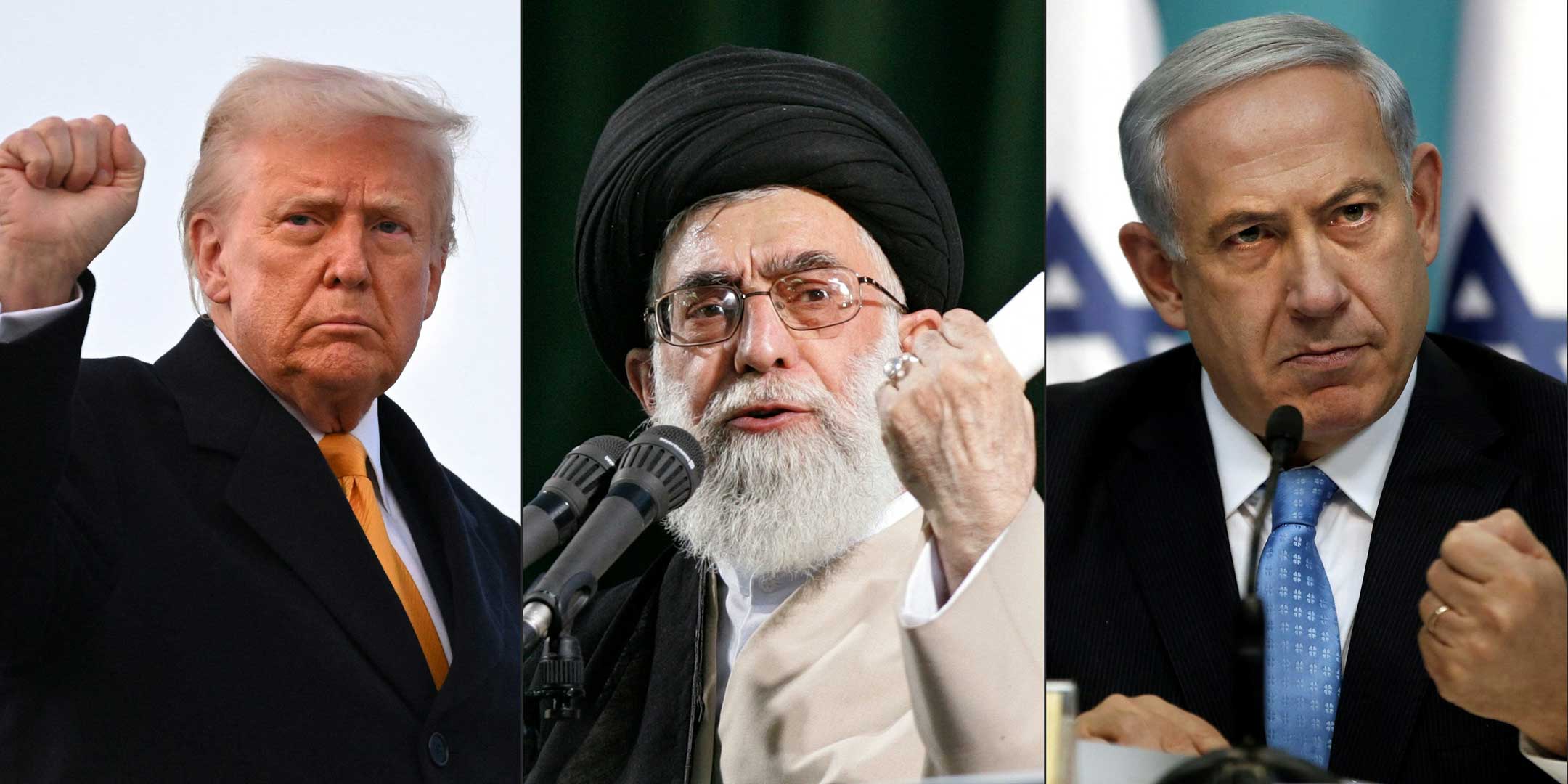

The geopolitical map of the Middle East is being redrawn in real-time. Here are the critical updates on the escalating conflict:
1. Death of Supreme Leader Ayatollah Ali Khamenei
In a move that has stunned the global community, a coordinated US-Israeli offensive successfully targeted and killed Iran’s Supreme Leader. This act represents the most significant decapitation of the Iranian leadership since the 1979 Revolution and has left a massive power vacuum in Tehran.
2. Massive US-Israeli Air Campaign
The Pentagon and the IDF have confirmed that over 1,000 targets across Iran have been struck. The mission, described as “preemptive and restorative,” focused on dismantling Iran’s nuclear infrastructure, ballistic missile silos, and command-and-control centers.
3. Iran’s “Wide-Arc” Retaliation
Tehran has responded with a barrage of ballistic missiles and “suicide” drones. Unlike previous skirmishes, these strikes are not limited to Israel; Iran has targeted US military installations in Iraq, Syria, and Gulf states, specifically citing the UAE for its role in hosting Western assets.
4. Hezbollah Opens the Northern Front
Lebanon’s Hezbollah has officially entered the fray, launching hundreds of rockets and drones into Northern Israel. The group stated the assault is “revenge for the Martyr of the Ummah” (Khamenei) and a defensive measure for Lebanese sovereignty.
5. Rising Casualty Toll
The human cost is mounting rapidly. Iran reports hundreds of fatalities, including civilians caught in the crossfire of urban strikes. US Central Command (CENTCOM) has also confirmed the first American combat deaths of this campaign following a missile strike on a regional base.
6. Power Vacuum in Tehran
With the Supreme Leader gone, a Provisional Governing Council has taken control. However, reports of infighting among the IRGC (Revolutionary Guard) and clerical establishment suggest a high risk of internal collapse or civil war.
7. Internal Protests Sweep Iran
Coinciding with the external war, thousands of Iranians have taken to the streets in major cities. While some mourn the leader, a significant portion of the protesters are calling for the end of the Islamic Republic, further complicating the regime’s ability to wage war.
8. Gulf States Under Fire
Missiles and drones have reached the UAE and other Gulf partners. While regional defense systems (including Patriot and THAAD) have intercepted the majority of threats, debris has caused casualties, and the commercial hubs of Dubai and Abu Dhabi remain on high alert.
9. Global Economic Shockwaves
The Strait of Hormuz is now a high-risk zone. Global shipping insurance has skyrocketed, and energy markets are seeing a sharp spike in crude oil prices amid fears that Iran may attempt to block the world’s most vital oil artery.
10. Divided International Response
The West, led by the UK, France, and Germany, has signaled a commitment to defending regional allies against Iranian drones. Conversely, Russia and China have issued stern condemnations of the killing of Khamenei, calling it a “violation of international law” and warning of a “catastrophic global spillover.”
Strategic Overview: Combatant Status
| Actor | Action Taken | Primary Objective |
| USA & Israel | Coordinated Air & Missile Strikes | Neutralizing Iranian leadership & missile capability. |
| Iran | Ballistic Missile Barrages | Retaliation for Khamenei; striking US/Gulf bases. |
| Hezbollah | Rocket & Drone swarms | Opening a second front in Northern Israel. |
| Gulf Partners | Heightened Defense / Interceptions | Protecting commercial hubs and US assets. |